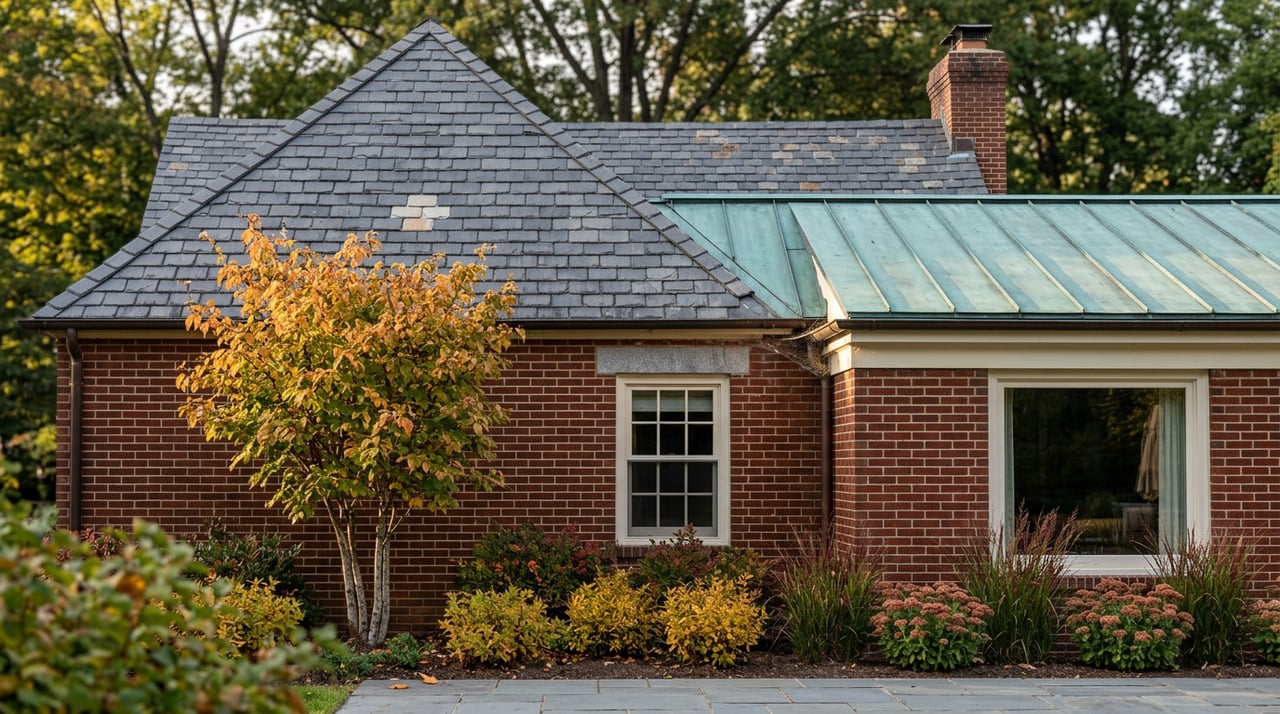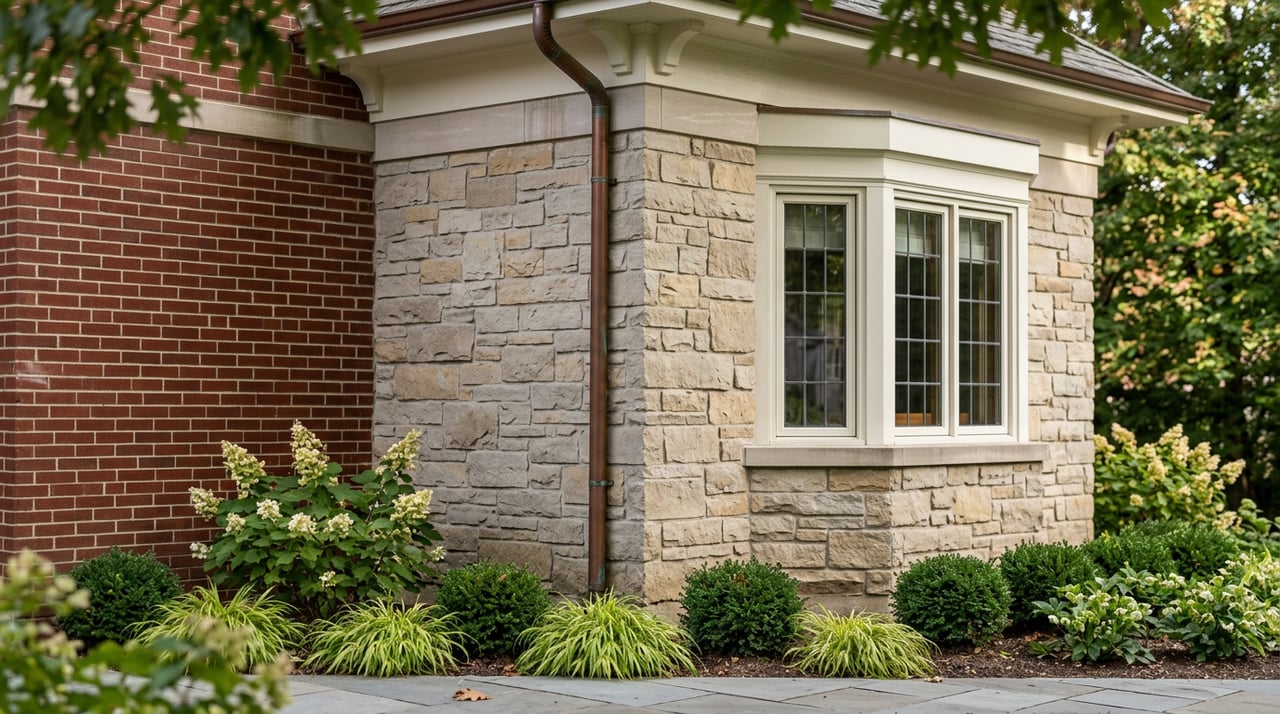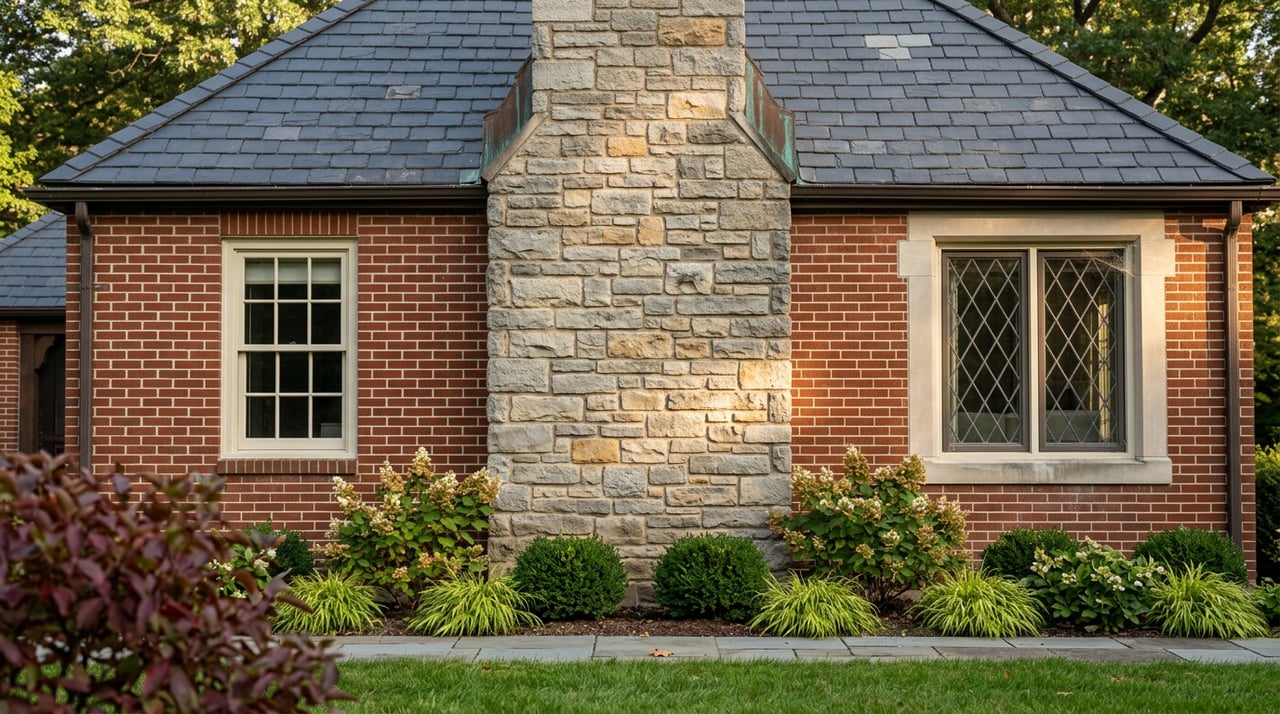
A buyer walks into a Gregory colonial listed at $625,000, sees three other offers on the table, and writes $665,000 with an appraisal gap of $20,000. The appraisal comes in at $612,000. The gap is $53,000, and the buyer is short. This is the trap West Orange sets for anyone pricing off a township-wide number.
West Orange is not one housing market. It is at least six, layered on the same tax bill, and the median you see on a portal is what happens when a Llewellyn Park estate sale and a Valley starter home get averaged into a single figure. Reading the median as a comp is the single most expensive mistake buyers make here in 2026.
The $130,000 gap that tells you what's really happening
Two respectable data providers describe the same town at the same time and disagree by six figures. Redfin puts the 07052 median sale price at $697,000 in February 2026, up 11.3% year over year, with homes averaging 51 days on market and roughly four offers each. Zillow's home value index for the same zip lands at $568,439, up 5.2% year over year. A township-level MLS pull dated June 11, 2026 shows 82 active listings, a median list of $686,944, and an average of 29 days on market. In March 2026, sold-side data showed 180 closed transactions at a median of $624,999, with days on market rising from 17 the prior year to 30.
Those numbers are not contradicting each other. They are describing different slices of the same township. The Redfin figure is weighted by what actually traded, which in early 2026 included a heavy share of larger homes on the west and south sides. The Zillow figure is a modeled value across the full housing stock, including smaller postwar homes and condos that rarely change hands in a given month. When the sale-weighted median runs $130,000 above the modeled typical value, and DOM roughly doubles year over year while volume climbs, you are not looking at a single accelerating market. You are looking at a slow, deep top and a fast, thin middle sharing a mailing address.
A township median is a weighted average of what closed. In West Orange, one Llewellyn Park sale can move the number more than fifty Valley transactions. Price your offer off the neighborhood, not the township.
Six markets on one tax bill
Each of these sub-markets prices, appraises, and negotiates on its own logic. The named boundaries below are the ones locals and MLS agents actually use.
Llewellyn Park. Roughly 175 homes on 425 acres, gated, listed on the National Register of Historic Places, with Thomas Edison's former estate now operating as the Thomas Edison National Historical Park at its edge. Prices run from about $1 million to $5 million and up, with four to seven bedrooms typical. The comp pool inside the gates is small enough that appraisers routinely reach outside the enclave for support, which is exactly the trade you should expect: contract prices lead appraisals, and gap coverage is part of a winning offer.
Gregory. Tudors, colonials, and ranches south of Northfield Avenue, priced from the low $400,000s to just under $1 million. Convenient to Main Street retail, Seton Hall Prep, and the eastern edge of South Mountain Reservation. This is the sub-market moving fastest in 2026. Multiple offers and 26 to 30 day sale timelines are the norm, not the exception.
Pleasantdale. Bounded by I-280 to the south and Pleasant Valley Way to the east, running from roughly $500,000 to well over $3 million. Homes back onto the wooded buffer near Crestmont Country Club, and Eagle Rock Reservation sits within a short drive. The neighborhood's local anchor businesses include Fortissimo Osteria and Pizzeria near Pleasant Valley Way and Eagle Rock Avenue. Privacy premiums here do not show up in dollars per square foot, which means portal comps consistently under-price the lots that back to the woods.
St. Cloud. Tucked between Northfield Avenue and Pleasant Valley Way, ringed by parkland. South Mountain Reservation and Turtle Back Zoo are effectively walkable from parts of the neighborhood. Inventory turns rarely, which makes any single sale a disproportionate comp for the next one.
First Mountain, including Hutton Park. Ascending Eagle Rock Avenue up the First Watchung ridge, this is where the housing stock gets most eclectic: Victorians, Tudors, mid-century modern homes, garden apartments, and occasional larger estates within a few blocks of each other. Appraisers struggle here because "comparable" is doing a lot of work when the sale two doors down was a 1912 Queen Anne and the subject property is a 1958 split.
The Valley and Downtown / Main Street. The oldest and densest part of the township, with a growing arts presence in the Valley and a redevelopment story on Main Street that reshapes the numbers for anything within a half mile. See the next section, because this is where the hidden mechanism lives.
The rental building that quietly caps entry-level pricing
Along Main Street sits a 21-acre adaptive-reuse project called Edison Village, built by Prism Capital Partners out of the historic Thomas Edison Invention Factory and Commerce Center. Phase 1 delivered 334 apartments in the restored battery building, a 34-unit new-build called The Mews, an 18,400 square foot retail plaza branded The Shoppes at Edison Village, and a 630-space parking structure. Residents have shuttle service to the Orange train station, a rooftop lounge, and a pool. When the project opened, it was billed as the largest non-waterfront adaptive-reuse redevelopment in New Jersey.
That is the visible part. The part that shapes resale pricing is Phase 2, which was originally planned as roughly 230 to 296 townhouses plus additional retail. Phase 2 has been contested. In 2021, the developer filed suit against the Township over the direction of the second phase, and the redevelopment posture has been unsettled since. Township filings and public agenda materials on the official West Orange redevelopment page are the primary record for anyone tracking the dispute.
Two implications you should carry into an offer on any home within walking distance of Main Street.
First, Phase 1's rental supply already absorbs a chunk of the NYC-commuter demand that would otherwise chase down entry-level resales in Gregory and the Valley. That is part of why the mid-tier moves fast on limited inventory rather than reprices upward at the same rate as the luxury tier: a meaningful share of commuters who would have bought a $550,000 Cape are instead renting a two-bedroom loft with a rooftop.
Second, if Phase 2 townhouses ever break ground, they will introduce for-sale supply at a price point that competes directly with the mid-tier resale market. That is a known-unknown, not a forecast. Buyers pricing a Main Street-adjacent resale in 2026 should treat the Phase 2 status as a real, unresolved risk factor, and sellers holding out for a "just wait" appreciation story should treat it the same way.
How to actually comp a home in West Orange
- Pull sold comps from within the sub-neighborhood, not the zip. If you are looking at a Gregory colonial, do not let a Llewellyn Park sale from three months ago sit in your comp set.
- Watch the ratio of Redfin's sale-weighted median to Zillow's modeled ZHVI over time. When the gap widens, the top of the market is doing the talking. When it narrows, the middle is catching up.
- In Llewellyn Park and St. Cloud, expect appraisers to reach outside the immediate area. Plan the appraisal gap into your offer, not into your contingency negotiation two weeks later.
- In Gregory and the Valley, assume 26 to 30 day sale timelines with multiple offers. If a listing has been sitting past that window in 2026, ask what the inspection turned up.
- In Pleasantdale, weight lot characteristics heavily. The country-club-adjacent buffer is real value that dollars per square foot will hide.
- Within a half mile of Main Street, ask your agent for the current status of Edison Village Phase 2 before you finalize your ceiling.
FAQ
Why does the same house get valued so differently on two portals? Zillow's ZHVI models the entire housing stock, including homes that have not sold. Sale-weighted medians only reflect what closed in a given window. In a township with a heavy luxury tail like West Orange, those two methods produce very different numbers, and neither is wrong.
Is the West Orange market slowing down in 2026? Volume is up year over year and days on market are up modestly, from roughly 17 days a year ago to about 26 to 30 in the spring of 2026 depending on the source. That is a market absorbing more inventory at a slightly less frantic pace, not a market cooling. The distinction matters for pricing strategy.
Does Edison Village affect my property value if I do not live on Main Street? Directly, only if you are within walking distance. Indirectly, yes. The 334 Phase 1 rentals shift where commuter demand lands across the entire township, which is part of why the mid-tier moves quickly on tight supply rather than repricing sharply upward.
If you are trying to size an offer on a specific West Orange home, or decide which of these six markets actually fits your life, Rebecca Brooksher reads comps at the block level, not the township level. Start your happy home hunt with a conversation about the neighborhood you are actually buying into.