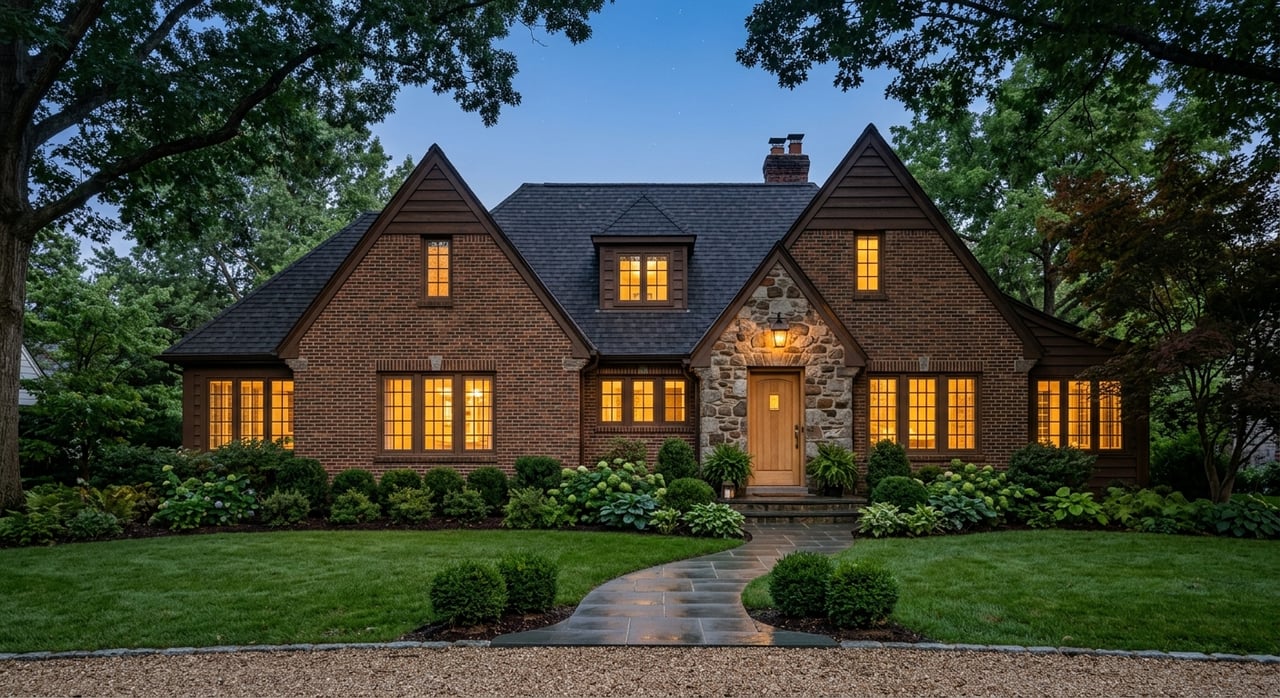
If you have been wondering whether this is the right moment to sell your Maplewood Village home, you are not alone. Many homeowners are weighing strong local demand against higher mortgage rates, shifting buyer expectations, and the practical challenge of planning their next move. The good news is that current data points to a market that still favors well-prepared sellers, even if success depends more on strategy than it did a year or two ago. Let’s take a closer look.
What the Maplewood market shows
If you are trying to decide whether to list now, the clearest starting point is the broader Maplewood market. Public neighborhood-specific data for Maplewood Village is limited, and Realtor.com notes that Downtown Maplewood does not currently have its own separate market metrics, so township-wide figures are the best available guide.
As of March 2026, Maplewood market data from Realtor.com shows 36 active listings, a median of 28 days on market, and a 103% sale-to-list ratio. Zillow also reported 30 homes for sale, a typical home value of $944,877, and 5.4% year-over-year value growth. Taken together, that suggests buyers are still active, and properly priced homes can still move quickly.
Why this is still a seller-leaning market
The biggest sign in your favor is limited inventory. In Essex County, NJ REALTORS® market stats showed 485 single-family homes for sale and just 1.7 months of supply in January 2026, along with 42 days on market and a median sales price of $640,018. Statewide, February 2026 data showed 2.1 months of supply and 49 days on market, with sellers receiving roughly list price on average.
That does not look like a distressed market or a market where sellers need to panic. Instead, it looks like a tight market that is becoming more selective. Buyers are still competing for homes, but they are also paying closer attention to price, condition, and presentation.
How national trends affect Maplewood Village
It helps to zoom out for a moment. Nationally, Realtor.com reported that active listings in March 2026 were up 8.1% year over year, and 16.2% of listings had a price cut. At the same time, inventory remained 13.8% below typical 2017 to 2019 levels.
In the Northeast, inventory was up 7.9% from a year earlier but still 54.1% below pre-pandemic norms. That matters because Maplewood Village operates within a region that remains structurally short on supply. Even as buyers become more careful, there are still not enough homes available to erase demand.
Mortgage rates also play a role. Freddie Mac reported a 30-year fixed mortgage rate of 6.37% on April 9, 2026, down from both the previous week and the same time last year. Lower rates do not guarantee a buying surge, but they can help improve affordability and support spring activity.
Why buyers keep choosing Maplewood Village
Market numbers only tell part of the story. Maplewood Village continues to attract buyers because of its location, downtown setting, and transportation connections. According to Township of Maplewood materials, Maplewood Village is the township’s traditional downtown, and weekday commuter jitney service connects residents to Maplewood Train Station in the morning and evening.
The same township materials and local historic commission information describe the Village Center as a social and commercial hub with roots in Maplewood’s development as a railroad suburb. For buyers, that helps create lasting appeal. When a neighborhood offers an established downtown environment and commuter access, demand often stays steadier than in places with fewer built-in advantages.
There is also a character component that matters. The Maplewood Village Historic District was listed in the New Jersey and National Registers of Historic Places in 2022. The local historic commission notes that state and national listing alone does not automatically restrict private property rights, though local rules are separate and can affect exterior changes. For many buyers, that combination of preserved character and clear ownership context can support continued interest.
So, should you sell now?
For many Maplewood Village homeowners, the balanced answer is yes, if your home is ready and your next move is clear. The local and regional data does not suggest that waiting will suddenly unlock a dramatically better market. Right now, the conditions still support sellers who come to market with realistic pricing and strong presentation.
That said, selling now is not automatically the right choice for everyone. If you need time to make repairs, stage the home, or coordinate your next purchase or rental, waiting may be the smarter move. Personal timing matters just as much as market timing, especially if you want to avoid feeling caught between homes.
What can help you succeed now
If you do choose to list, a thoughtful approach matters more than ever. In a market that is normalizing, buyers still respond well to homes that feel move-in ready and correctly positioned from day one.
Here are the factors that can make the biggest difference:
- Pricing accurately from the start so your home matches current buyer expectations
- Preparing the home carefully with repairs, touch-ups, and a clean, polished presentation
- Using strong visuals and marketing to help your home stand out online and in person
- Planning your next move early so you can make decisions with less stress
- Reviewing hyper-local competition because even in a strong town, nearby listing activity shapes buyer perception
This is where neighborhood-level guidance becomes valuable. Township-wide numbers are useful, but the best pricing strategy depends on your home’s condition, layout, updates, and how it compares with other available homes near Maplewood Village.
When waiting may make more sense
There are still good reasons to hold off. If your home needs work that could improve its presentation, or if you have not yet figured out where you will go next, waiting can be a practical choice rather than a missed opportunity.
You may also want more time if your goal is to line up a purchase after the sale. In that case, your timing should reflect both the market and your replacement-housing plan. Selling is not just about maximizing price. It is also about making the transition manageable.
The smart next step
The current Maplewood market supports a thoughtful sale, not a rushed one. Demand is still there, inventory remains relatively tight, and Maplewood Village continues to benefit from the draw of its downtown setting, historic character, and commuter connection. But today’s buyers are more selective, which means your outcome will depend on preparation and positioning.
If you are weighing whether to list, the most useful next step is a neighborhood-specific pricing review tied to your home’s condition, equity, and moving plans. If you want tailored guidance on how to position your Maplewood Village home in today’s market, connect with Rebecca Brooksher for a thoughtful, personalized strategy.
FAQs
Should you sell your Maplewood Village home now or wait?
- If your home is well maintained, properly priced, and ready to show, current Maplewood market data supports listing now. If you still need repairs or more time to plan your next move, waiting may make better sense.
What is the current housing market like near Maplewood Village?
- Township-wide Maplewood data suggests a seller-leaning market, with 36 active listings, 28 median days on market, and a 103% sale-to-list ratio as of March 2026.
Why do buyers stay interested in Maplewood Village homes?
- Buyers are often drawn to Maplewood Village because it is the township’s traditional downtown, offers commuter access to Maplewood Train Station via weekday jitney service, and has recognized historic character.
Does the Maplewood Village Historic District restrict homeowners?
- State and national historic listing does not automatically restrict private property rights, though separate local historic rules can affect exterior changes.
What matters most when selling a home in Maplewood Village now?
- Realistic pricing, strong presentation, and a clear plan for your next move are some of the most important factors in today’s more selective market.