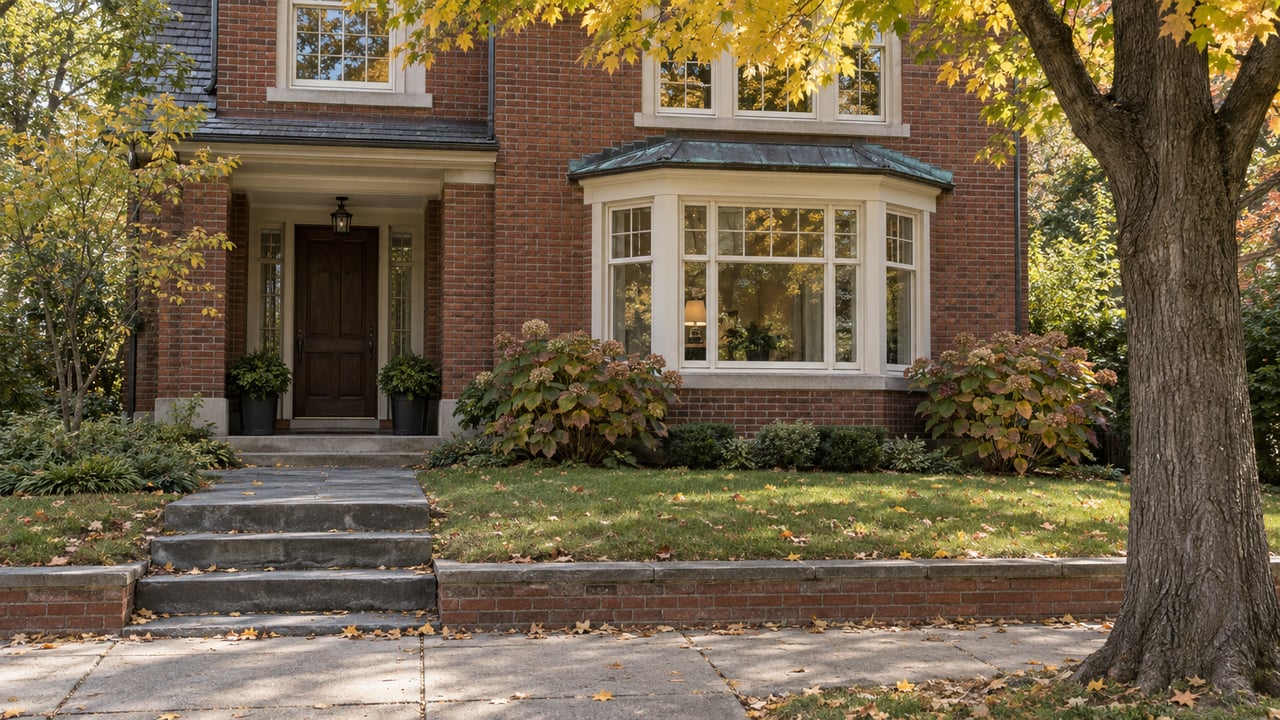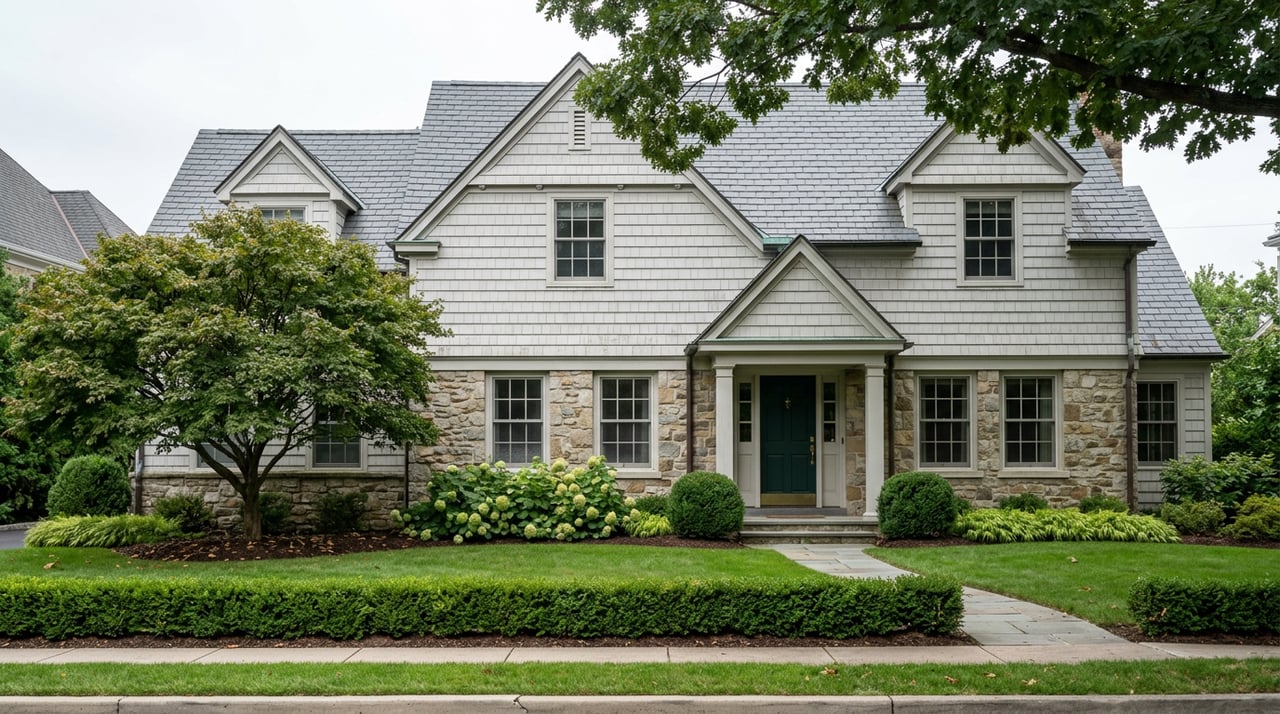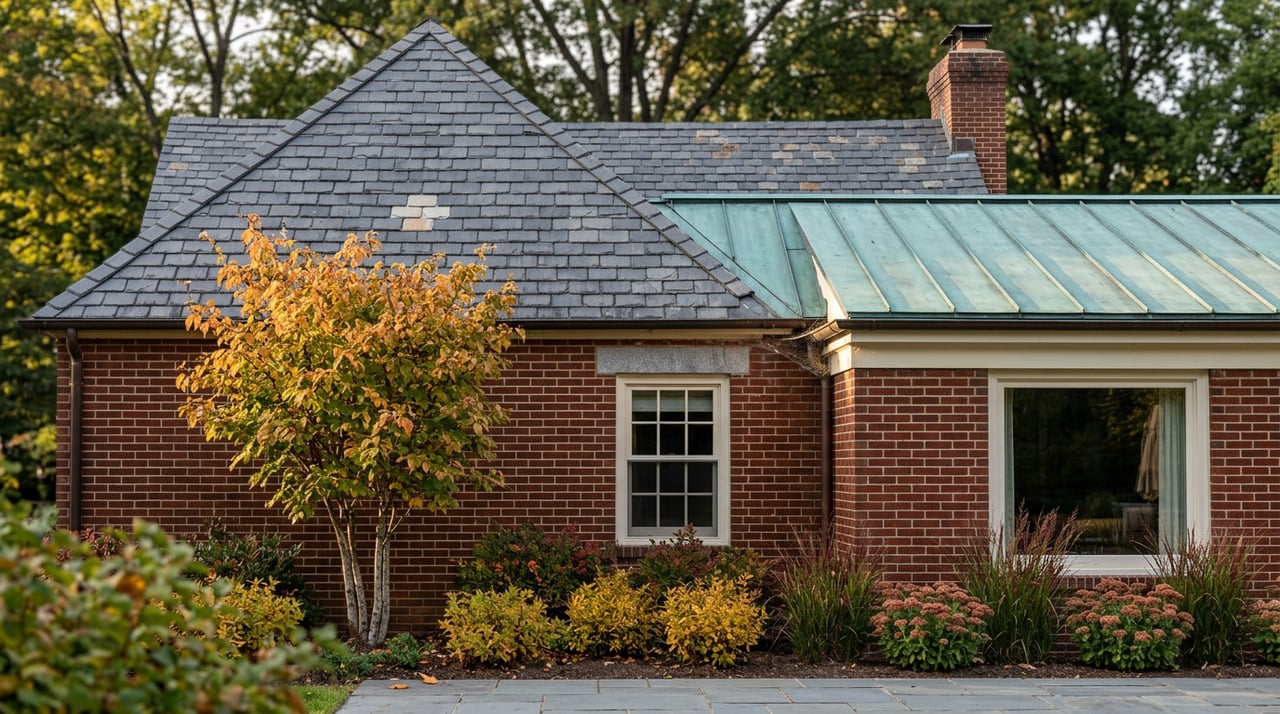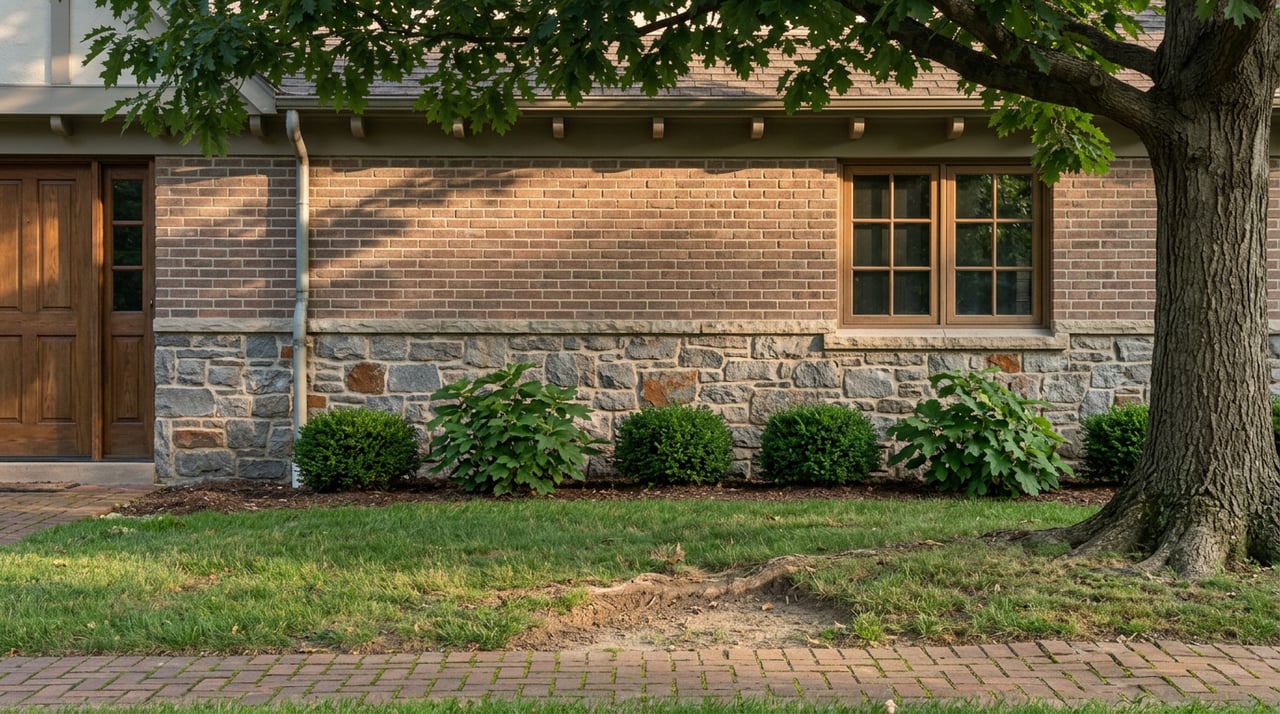
A seller in a 1929 center hall colonial does everything right. The smoke detectors get swapped for ten year sealed units. The fire inspector signs off. The Certificate of Continued Use and Occupancy comes back clean because the only open permit, a kitchen reno from three years back, closed out months ago. Two certificates, two green lights, and a closing date on the calendar. Then, during attorney review, the buyer's plumber runs a camera down the sewer lateral and finds a collapsed section of ninety year old cast iron under the front lawn, right where the roots of the old shade tree have been working on it for decades.
Nothing the seller did was wrong. Nothing the township required was skipped. That is the part worth sitting with: Maplewood's two mandatory certificates were built to catch exactly what they catch, and the lateral was never on either list.
What Maplewood Actually Requires Before Title Can Transfer
Every residential sale in the township runs through two separate approvals, issued by two separate offices, for two separate reasons.
The first is the Certificate of Smoke Detector, Carbon Monoxide Alarm Compliance, a statewide requirement administered locally by the Maplewood Fire Prevention Bureau. It confirms working smoke and CO alarms are installed correctly, one of the few point of sale rules that applies the same way in every New Jersey town. Maplewood's version has one local wrinkle worth knowing before you schedule anything: portable fire extinguishers are no longer required to obtain this certificate, and payment is accepted on site only, in cash, check, or money order, not online.
The second is the Certificate of Continued Use and Occupancy, a Maplewood specific ordinance on the books since 1992 and revised in 2013. This one has nothing to do with alarms. It confirms the property's use is legal in its zone, verifies the occupancy count under the property maintenance code, and, critically, will not issue until every open building permit on the file is closed. Selling without one is not a paperwork technicality. The township's own code sets a $1,000 fine for transferring title without it.
Both certificates are real, both are required, and both are the kind of thing a seller can knock out weeks ahead of closing with a phone call to the right office. Neither one puts a camera in the ground.
Where the Inspection Regime Stops
The smoke and CO certificate inspects devices on the walls and ceilings. The Certificate of Continued Use and Occupancy inspects paperwork, zoning conformity, and the general condition the property maintenance code describes, things like structural deterioration, unpermitted fences, and how many people can legally live in the unit. Standard home inspections, the ones buyers hire independently, are explicitly limited to what is visible and accessible, and local inspectors are direct about the gap: a home inspector cannot see inside the pipe that runs from the house to the street, because that section of sewer line is owned by the homeowner, not the township, and it sits underground the entire way.
That means a Maplewood transaction can clear the smoke and CO certificate, clear the Certificate of Continued Use and Occupancy, clear a full buyer home inspection, and still arrive at attorney review with a sewer defect nobody was required to look for.
Two certificates confirm your alarms work and your permits are closed. Neither one looks at the sixty feet of pipe between your foundation and the street.
Why This Particular Town, Not Just Any Town
This is not a generic homeownership warning. It is specific to what Maplewood is built from. More than half the township's housing stock, 54.77 percent by one detailed count, was built before 1939, the tail end of a development boom that ran through the 1920s and 1930s under builders like Kenneth Dalzell and William Fitzsimons, who filled entire blocks with Colonial Revival and Tudor homes for New York commuters after the train station opened on Dunnell Road in 1902. Those houses came with cast iron laterals, the material standard of the era, laid at a time when the township's own sewer ordinance still specifies extra heavy cast iron or PVC as the acceptable pipe for a house lateral.
Pair a hundred year old cast iron pipe with the mature shade trees that line so many of Maplewood's residential streets and you have the textbook conditions for root intrusion. Roots find the joints in old pipe first, and Maplewood has an unusually high concentration of both old pipe and old trees, a byproduct of the same 1920s and 1930s planning era that gave the town its tree lined character in the first place. The charm and the risk come from the same decade of decisions.
What a Lateral Problem Actually Costs You at the Table
The timing is what makes this expensive rather than merely inconvenient. A defect that surfaces during attorney review, after a buyer's contractor scopes the line on their own initiative, lands in the middle of a negotiation the seller did not see coming. Repairing or replacing a lateral is not a weekend fix either. Maplewood requires a written permit from the township Sewer Inspector for any lateral repair, issued only to a licensed master plumber, which means a late discovery can mean a permit application, a scheduling wait, and a renegotiated closing date stacked on top of the repair cost itself.
Sellers who find the same defect two months before listing are working from a completely different position. They can get bids, decide whether to repair or price it in, and control the number instead of reacting to one a buyer's plumber just handed them.
The Sequence That Actually Protects Your Closing Date
- Schedule the smoke and CO inspection early, and bring cash, check, or money order to the appointment since the fire inspector does not accept payment online.
- Apply for the Certificate of Continued Use and Occupancy as soon as you know you are listing, and close out any open building permits first. This is the step that most often stalls a closing when it is left for the last minute.
- Get a sewer lateral camera scope before you list, not after an offer is in hand. This step is not required by the township, which is exactly why it is the one most sellers skip, and exactly why it is the one most likely to surprise them later. It matters most for homes built before 2000 or with mature trees near the front of the lot, a description that fits a large share of Maplewood's housing stock.
- Keep the documentation from all three in one folder for your attorney. Closing attorneys move faster when the certificates and any lateral report are already in hand rather than requested mid contract.
Frequently Asked Questions
Does Maplewood require a sewer lateral inspection to sell a home? No. The township requires the smoke and CO certificate and the Certificate of Continued Use and Occupancy. A lateral scope is not mandated by any ordinance, which is precisely why it is easy to overlook.
What happens if I transfer title without the Certificate of Continued Use and Occupancy? Maplewood's code sets a $1,000 fine for conveying title without one, and the certificate will not issue until all open permits on the property are closed.
Who pays for a lateral repair if a scope finds a problem? As with most move in condition items uncovered during attorney review, responsibility is typically something buyers and sellers work out between themselves once a report is on the table. Getting ahead of the discovery gives a seller more room to negotiate from strength rather than under a closing deadline.
Does the fire inspector need anything besides the smoke and CO devices? No. Portable fire extinguishers are no longer required to obtain this certificate in Maplewood, which simplifies the appointment down to the alarms themselves.
A hundred year old colonial on a tree lined Maplewood block is worth the premium buyers pay for it precisely because of the decade it came from. Selling one well means respecting what that decade left underground, not just what it left on the walls. If you are getting a Maplewood home ready to list and want a second set of eyes on the sequence, from certificates to scope to staging, Rebecca Brooksher can help you start your happy home hunt, or your happy home sale, with the right order of operations from day one.