Wondering whether you should list quickly or slow down and prepare first? In South Orange, that choice can shape your result more than many sellers expect. If you own an older home, want to make the most of strong buyer demand, or simply hope for a smoother sale, a smart game plan can help you avoid last-minute stress and launch with confidence. Let’s dive in.
Why strategy matters in South Orange
South Orange offers a mix of established neighborhood character and commuter convenience that many buyers actively look for. The village highlights its Tudor, Colonial, and Victorian homes, gaslights, parks, a lively village center, and long-standing rail connection to Newark and New York through NJ Transit service at South Orange Station.
That means your home is not just competing on square footage or bedroom count. Buyers are often responding to architecture, condition, setting, and how well the home fits the South Orange lifestyle.
Recent public market snapshots also point to strong demand. Realtor.com reported a May 2026 median listing price of $1.1 million, 56 homes for sale, a median 15 days on market, and a 106% sale-to-list ratio, while Zillow reported a typical home value of $1,105,296, 39 homes for sale, and median days to pending of 11 as of May 31, 2026.
When homes can move that quickly, your first impression matters. A polished launch often gives you a better chance to capture early interest while buyer attention is highest.
Start with compliance, not cosmetics
It is tempting to begin with paint colors, staging, or landscaping. In South Orange, a smarter first step is making sure the home is ready from a compliance standpoint.
That approach can help you avoid delays after you accept an offer. It also gives you a clearer picture of what really needs attention before listing.
Review fire and occupancy requirements
South Orange’s Fire Prevention Bureau enforces the New Jersey Uniform Fire Code and issues certificates of continued occupancy for change of ownership. The village also checks smoke-detector and carbon-monoxide compliance when occupancy changes.
The village’s residential inspection guidance says smoke alarms must be UL-listed, less than 10 years old, and installed on each level and outside sleeping areas, with requirements that can vary based on the home’s construction year. Carbon-monoxide alarms must be installed on each level and, on levels with sleeping areas, within 10 feet of sleeping room doors.
If your home has a monitored or previously monitored fire alarm system, the village requires a current NFPA 72 report from a certified alarm contractor or electrician. A monitoring certificate by itself is not enough.
Prepare required disclosures early
New Jersey’s flood disclosure law requires sellers to disclose certain flood-risk information through the property condition disclosure statement before the buyer becomes obligated under a purchase contract. The state also provides flood risk notification and flood indicator tools to help identify whether a property is in a FEMA special flood hazard area or moderate flood hazard area.
The state’s disclosure instructions also make clear that you must disclose known material defects even if the printed form does not specifically ask about them. In other words, the form is important, but it is not the full limit of what you may need to share.
If your home was built before 1978, lead-based paint disclosure is also a practical issue to handle upfront. Federal law requires sellers to disclose known lead-based paint and lead hazards before most sales close, provide the EPA lead hazard pamphlet, and give the buyer an opportunity to test.
Focus repairs where they count
You do not need to renovate your entire house to sell well. In many South Orange homes, the better move is to fix what creates doubt, distraction, or negotiation risk.
That usually means safety items, visible maintenance issues, and cosmetic problems that hurt first impressions. In a town known for older, architecturally distinctive homes, clean systems and thoughtful presentation often matter more than chasing a major remodel.
Prioritize buyer confidence
A sensible repair budget removes obvious objections and helps buyers feel the home has been cared for. Think about items such as outdated smoke and carbon-monoxide devices, peeling paint, minor plumbing drips, worn caulking, loose hardware, damaged trim, or exterior areas that look neglected.
This kind of work may not feel glamorous, but it can make your home easier to show and easier for buyers to understand. It also reduces the chance that small issues become big talking points during inspection.
Vet contractors carefully
If you need pre-listing work, contractor screening matters. New Jersey requires home improvement contractor businesses that remodel, repair, paint, renovate, or otherwise improve residential property to register annually with the Division of Consumer Affairs, and unregistered contractors are prohibited from selling or making home improvements in the state.
For you as a seller, that makes vendor vetting part of the strategy. It is not just an administrative detail.
Stage the home buyers want to see
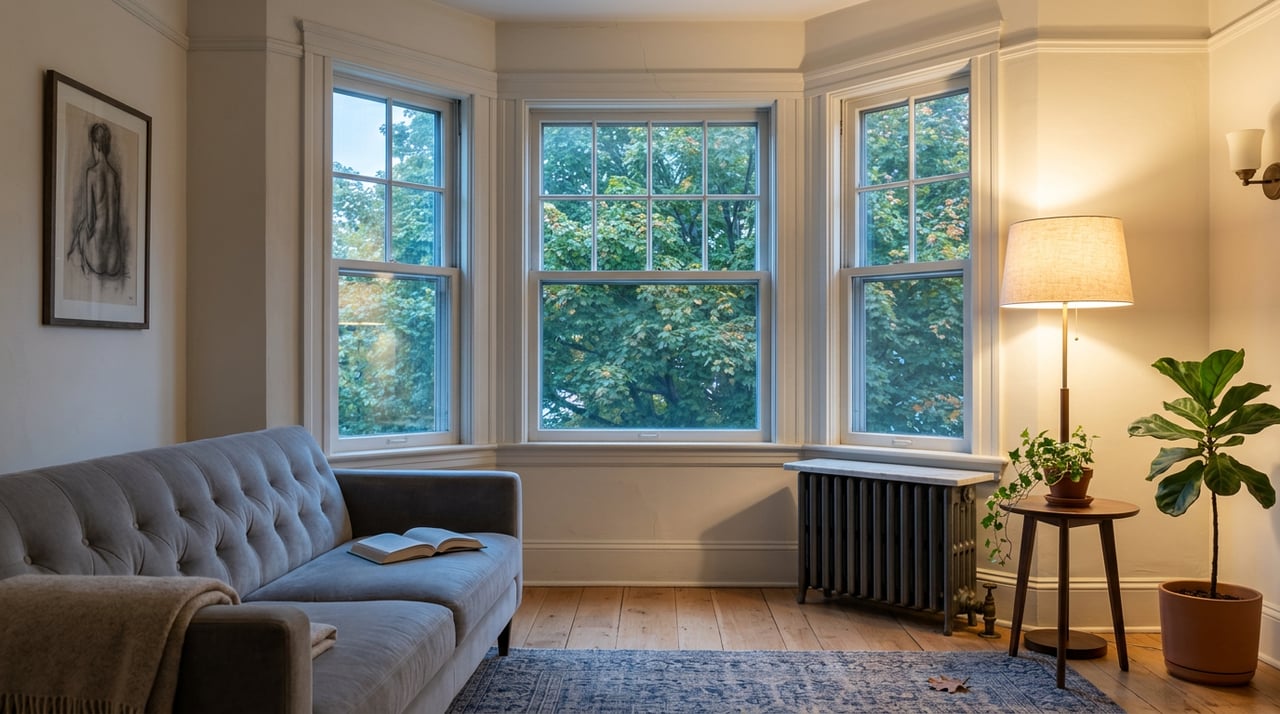
Once the home is compliant and repair priorities are clear, presentation comes next. This is where smart preparation can help your home feel warm, spacious, and move-in ready without overdoing it.
According to NAR’s 2025 staging report, 83% of buyers’ agents said staging makes it easier for buyers to visualize a property as their future home. The same report found that the living room, primary bedroom, and kitchen were the most important rooms to stage.
Keep staging simple and effective
You do not need a dramatic makeover. The strongest basics are often the most effective:
- Deep cleaning
- Decluttering
- Neutral paint where needed
- Removing bulky furniture
- Refreshing the entry
- Improving curb appeal so the exterior feels cared for
These steps help buyers focus on the home itself. They also tend to photograph well, which is critical in a fast-moving market.
Respect the home’s character
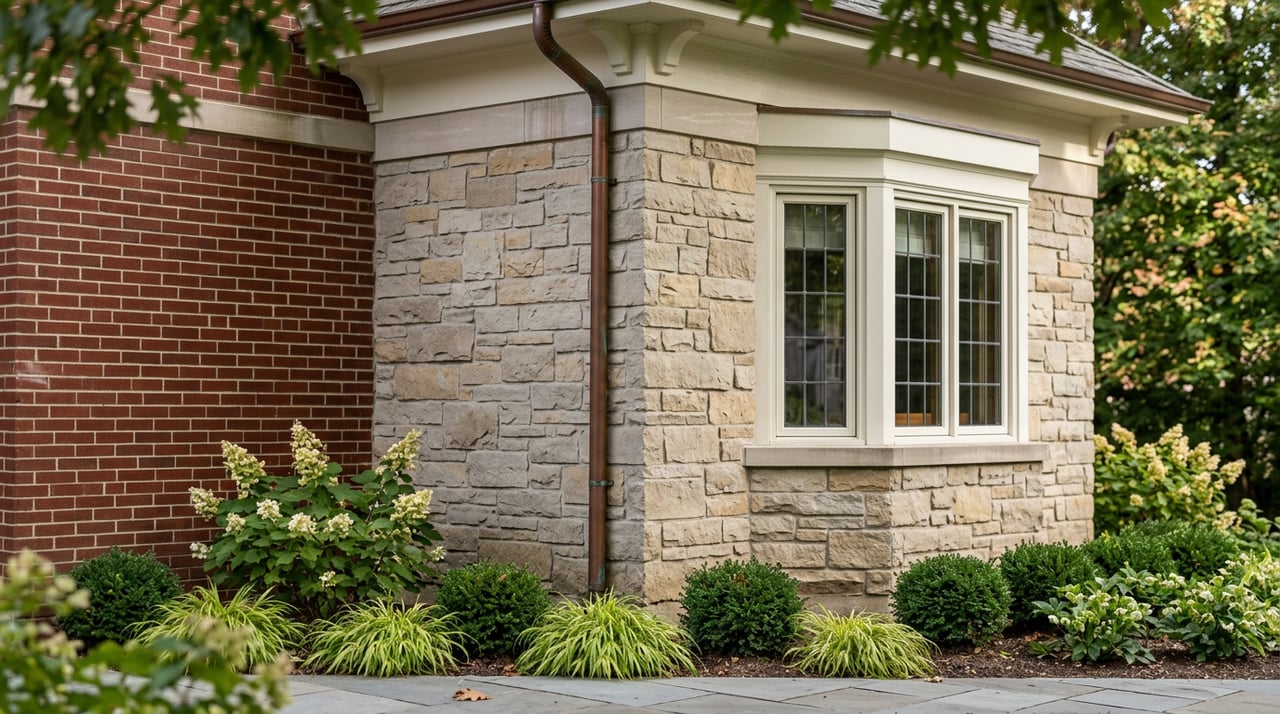
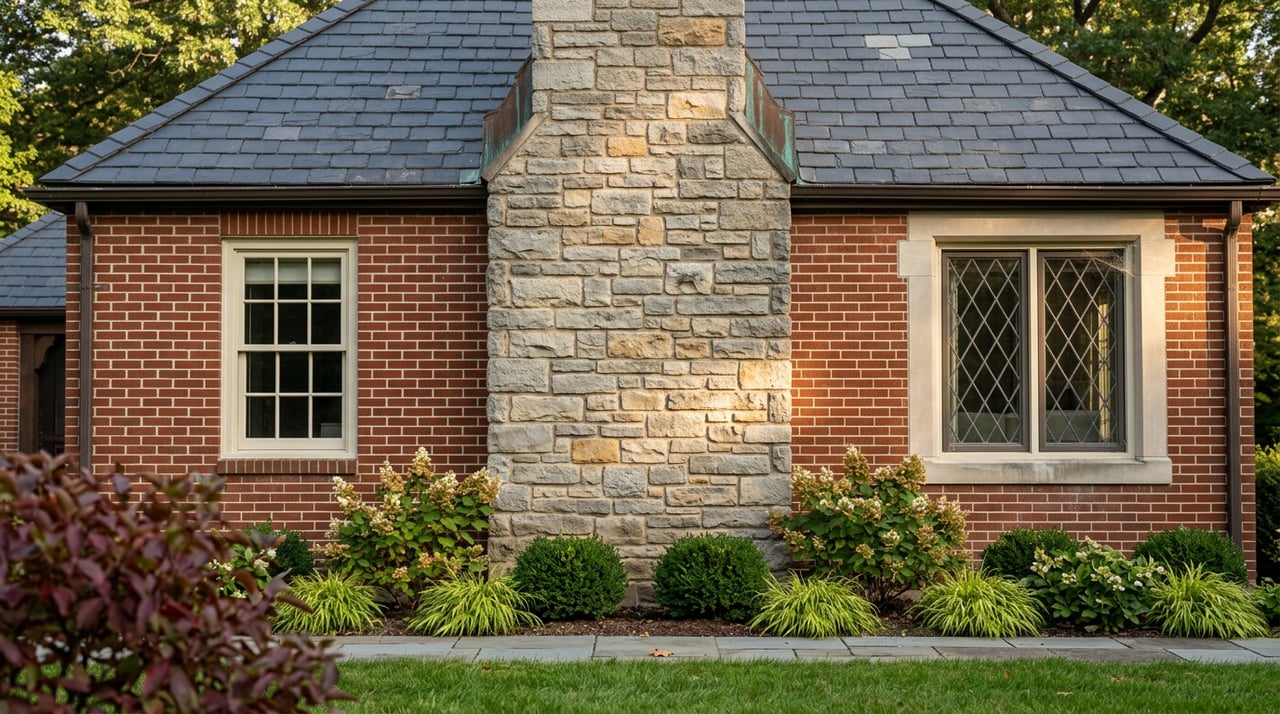
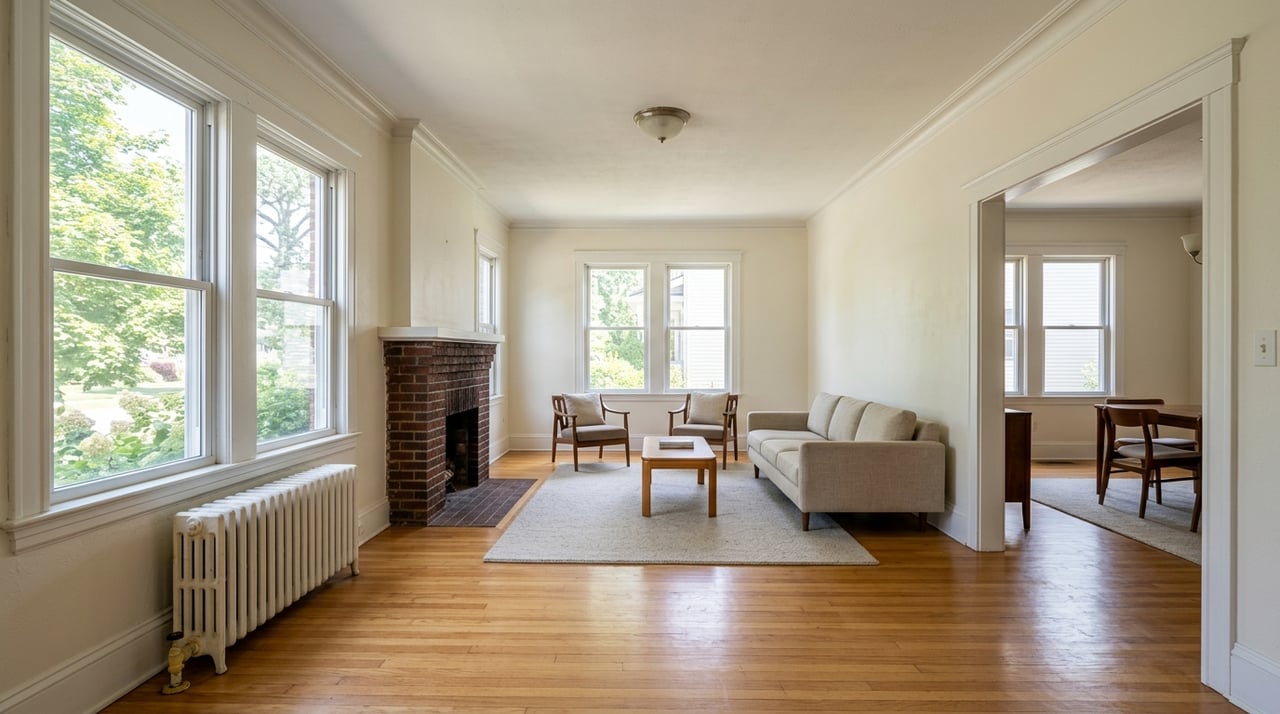
South Orange has many older homes with distinctive architecture. That often means your goal is not to erase the home’s personality, but to present it clearly.
Clean sightlines, natural light, and balanced room layouts help buyers appreciate original details without feeling overwhelmed by maintenance questions or visual noise. A tasteful approach usually works better than trying to force a historic home to feel brand new.
Build your launch before going live
In a market where public data suggests homes may move in roughly 11 to 15 days, your first week on the market is especially important. You do not want to be finishing repairs, chasing paperwork, or scrambling for photos after the listing is active.
A clean launch means the full presentation package is ready before day one. That includes the home itself, the marketing assets, and the showing plan.
Complete your marketing package upfront
NAR says marketing a home may include staging, professional photography, social media, signage, open houses, and competitive pricing, while MLS exposure usually provides the broadest reach. Buyers’ agents also rated photos, physical staging, videos, and virtual tours as important listing assets in the 2025 staging report.
For that reason, your pre-launch checklist should usually include:
- Repairs completed
- Disclosures assembled
- Key rooms cleaned and styled
- Professional photos finished
- Video or virtual tour prepared, if used
- Showing instructions confirmed
- Pricing strategy set before launch
If virtual staging is used, any photo enhancements that materially alter the property should be disclosed so buyers receive a truthful picture of the home.
Time the first weekend well
NAR notes that the first open house the weekend after a listing goes live can maximize exposure. That matters in South Orange, where early momentum may shape the entire offer timeline.
If buyers respond quickly, you want them to see the home at its best right away. A rushed launch can cost you the chance to create that early energy.
Price with discipline, not guesswork
Even in a strong market, pricing still matters. A high-demand setting does not guarantee that every listing will perform the same way.
South Orange’s recent numbers suggest strong conditions, but they also support the idea that presentation and pricing discipline work together. A thoughtful list price can widen the buyer pool, encourage showing activity, and set up stronger early offers.
Evaluate the whole offer picture
If interest comes quickly, it helps to look beyond price alone. Offer strength can also depend on timing, paperwork quality, and how likely the buyer is to move through inspections and closing without avoidable issues.
That is especially true with older homes, where condition questions can become part of negotiations. A strong game plan puts you in a better position to compare offers calmly instead of reacting under pressure.
Don’t overlook taxes and permits
As you prepare to sell, it is smart to keep local logistics in mind. South Orange’s tax collector lists quarterly property-tax due dates of February 1, May 1, August 1, and November 1, with a 10-day grace period.
The assessor’s office also processes deeds, building permits, assessment records, and appeals. The village’s revaluation materials note that assessments are distinct from the tax rate, and if you completed permitted improvements shortly before listing, it is useful to remember that the assessor reviews those permits and assessment changes can follow.
This may not change your listing decision, but it can affect your planning. It is another reason to organize paperwork early rather than during contract negotiations.
A smart South Orange seller timeline
If you are six to twelve months away from listing, you have time to be strategic. That usually starts with a simple audit of the home and a realistic plan.
A practical timeline often looks like this:
- Review smoke and carbon-monoxide compliance
- Check flood and lead disclosure needs
- Vet any contractors you may hire
- Create a focused repair list
- Plan cleaning, decluttering, and staging
- Prepare photography and marketing assets
- Set pricing and showing strategy before launch
This kind of preparation does more than reduce stress. It helps your home hit the market as a complete, credible product.
A thoughtful sale is rarely just about listing and hoping for the best. In South Orange, the stronger path is usually to prepare early, solve the issues that matter, highlight the home’s character, and launch with a clear plan. If you want a tailored approach that combines neighborhood knowledge, polished presentation, and hands-on guidance, Rebecca Brooksher can help you build a smart strategy from day one.
FAQs
What matters most when selling an older South Orange home?
- The biggest priorities are usually smoke and carbon-monoxide compliance, required disclosures such as flood and possible lead-based paint, and visible condition that affects buyer confidence.
How fast can a South Orange home sell in the current market?
- Recent public market snapshots showed median days on market around 15 and median days to pending around 11, which suggests sellers should be ready before listing goes live.
Do you need to fully renovate before selling a South Orange house?
- No. A focused plan that addresses safety, disclosure, maintenance, and presentation is often more practical than a full renovation.
What disclosures should South Orange home sellers review before listing?
- Sellers should review New Jersey flood disclosure requirements, disclose known material defects, and for homes built before 1978, handle required lead-based paint disclosures.
Why is staging important for a South Orange home sale?
- Staging can help buyers visualize the home more easily, and the most important rooms to focus on are typically the living room, primary bedroom, and kitchen.
When should you start preparing to sell a home in South Orange?
- If possible, start six to twelve months ahead with a compliance review, repair planning, contractor vetting, and a realistic strategy for presentation and launch.