Thinking about selling your West Orange home in the next 6–12 months? The right pre-sale upgrades can help you stand out, speed up your timeline, and protect your bottom line. You do not need a full gut renovation to win buyers. You need focused, high-ROI fixes aligned with what local shoppers value most. In this guide, you will learn which projects tend to pay in West Orange, what to skip, how to plan your timeline, and the local rules to follow. Let’s dive in.
Start with your West Orange market
West Orange sits in a mid to upper-mid price band within Essex County. Recent market snapshots place typical home values around the mid to high $600,000s with steady year-over-year growth. Micro-markets vary by neighborhood, including areas like Llewellyn Park, Gregory, and Pleasantdale, so your best move is to match upgrades to the “neighborhood standard.” That alignment helps you avoid over- or under-spending.
Buyers in the Newark metro and Essex County value move-in readiness, clean presentation, and energy-smart updates. National research supports this. Features like functional kitchens, updated baths, efficient windows and appliances, outdoor living, and flexible work-from-home spaces consistently rank high on buyer lists. You can see these preferences reflected in recent buyer research on what homeowners want most.
High-impact, low-cost wins
Start with the updates that deliver strong visual impact and broad appeal for a modest budget.
Fresh paint and a deep clean
Neutral interior paint, decluttering, and a thorough clean create an instant lift that photographs beautifully. Agents across the country flag these as first-line investments because they make spaces feel brighter and larger. NAR’s roundups of value-focused projects repeatedly include paint and light cosmetic updates among the best performers.
Curb appeal that clicks
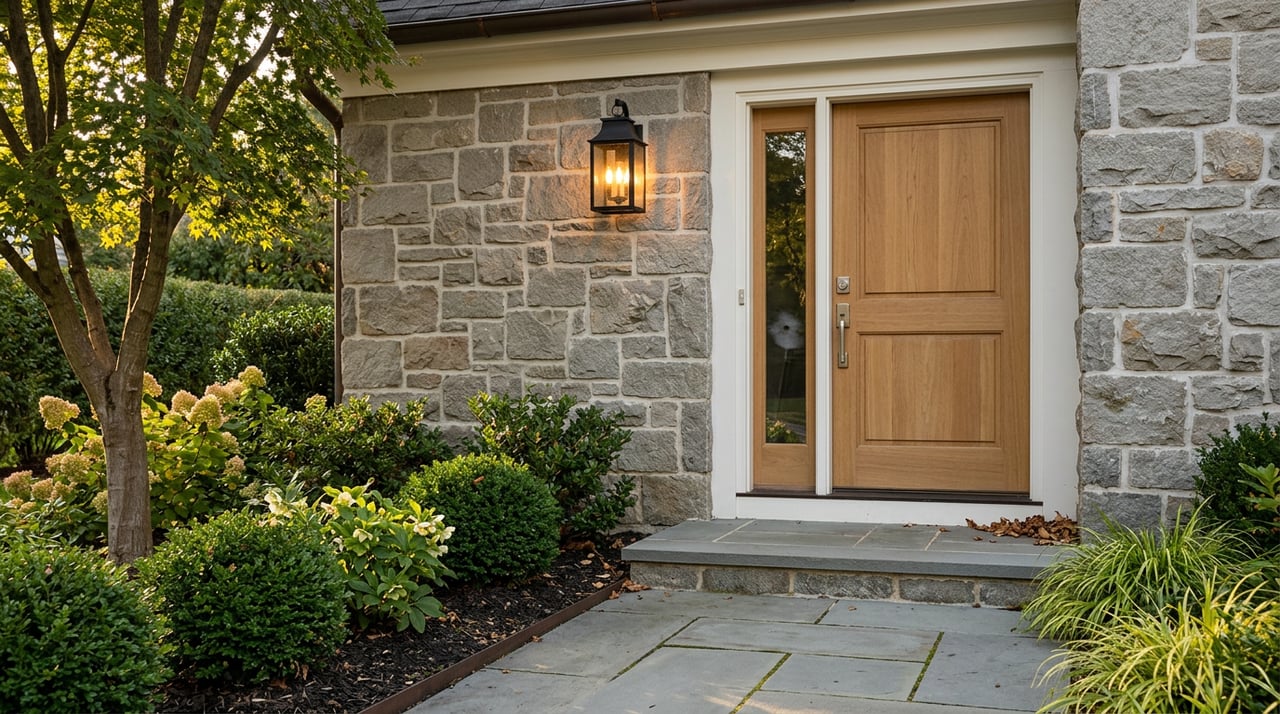
Your front entry and garage door are small projects with outsized return. Remodeling Magazine’s Cost vs. Value data shows garage door and entry door replacements ranking near the top for cost recoup, often above 100% in many markets. A tidy walkway, trimmed plantings, and updated house numbers help buyers form a positive first impression.
- See ROI trends for common projects at the Cost vs. Value site: Remodeling Magazine’s Cost vs. Value
Minor kitchen refresh
A targeted kitchen update is usually the best interior dollar-for-dollar move before listing. Focus on cabinet refinishing or painting, new hardware, a modern faucet, midrange countertops, a simple backsplash, and LED lighting. Cost vs. Value reports that “minor kitchen remodel (midrange)” projects often show very strong recoup, sometimes near or above 100% depending on region.
- Explore kitchen ROI categories: Cost vs. Value
Bathroom refresh
Bathrooms sell peace of mind. Consider regrouting, swapping a dated vanity, updating fixtures and lighting, and adding a clean new mirror. A midrange bath refresh typically delivers healthier recoup than upscale gut jobs, often in the 70 to 80 percent range regionally according to Cost vs. Value.
- Compare bath remodel returns: Cost vs. Value
Systems and safety first
If your pre-list timeline is 6–12 months, tackle anything that could derail underwriting or negotiations. Roof leaks, aging HVAC, electrical panel issues, and moisture problems tend to surface during inspections and can cause delays or price reductions. While roof or window replacements often recoup less than smaller cosmetic updates, they reduce deal risk and can be essential to closing. Cost vs. Value shows roof replacements typically recoup around 60 to 70 percent regionally, but the bigger payoff is avoiding a failed deal.
A pre-listing inspection a few weeks or months before you hit the market is a smart move. Use it to prioritize safety and repair items, then disclose completed work and any warranties. Clear documentation helps buyers move forward with confidence.
Staging and presentation
Staging is not only about furniture. It is a strategy to help buyers see how they would live in the home. NAR’s staging insights show that staging helps buyers visualize the property and often reduces time on market. If you stage selectively, focus on the living room, kitchen, and primary bedroom. Budget for professional photography after staging so you can showcase your upgrades at their best.
- Learn how staging influences buyers: NAR staging guidance
Projects to skip for now
If you plan to list within 6–12 months, think carefully before starting large or highly personalized projects.
- Major or upscale kitchen gut: Cost vs. Value consistently shows lower percentage recoup for high-end, custom remodels. These are best only when neighborhood comparables fully support luxury pricing.
- Large additions or ADUs: These can add value, but they bring longer timelines, permitting complexity, and lower percentage recoup near term.
- Pools and specialty luxury features: In northern markets, these often narrow your buyer pool. Proceed only if they are typical for your micro-market and price band.
Review current Cost vs. Value returns before you commit to big-ticket projects: Cost vs. Value
Permits, disclosures, and hiring in West Orange
Before starting work, confirm what needs a permit. West Orange’s Building Department notes that you do not need permits for ordinary repairs like interior or exterior painting, and for roofing or siding replacements under 25 percent. Like-for-like window swaps that do not change the opening size can also be exempt. Rules can change, so confirm with the township before hiring.
- Check local permit FAQs: West Orange Building Department FAQ
When you hire, use registered New Jersey home improvement contractors. The state requires contractors to register with the Division of Consumer Affairs and to carry insurance. For projects over $500, get a written contract. You can verify contractor registration through the state.
- Verify NJ contractor rules: NJ Division of Consumer Affairs
New Jersey updated the Seller’s Property Condition Disclosure Statement to include flood-risk questions. You must disclose if your property is in a FEMA-designated flood hazard area, whether you have had flood damage, and if you carry flood insurance. Gather any relevant FEMA maps, insurance, or claim records now so disclosures are complete and prompt.
- Read about the updated PCDS: NJ DCA flood disclosure update
Also plan for closing costs, including the New Jersey Realty Transfer Fee. The state provides current RTF tables and FAQs, and recent changes introduce a graduated percent structure on higher-value transactions. Confirm how rules apply to your sale timeline when you review net proceeds.
- Review RTF guidance: NJ Division of Taxation RTF FAQs
A 6–12 month plan
Here is a practical roadmap you can tailor to your home and budget.
Triage: weeks 0–4
- Declutter, depersonalize, and deep clean. Prioritize walls, floors, windows, and kitchens and baths.
- Touch up paint in high-traffic spaces or repaint rooms with bold colors to a neutral palette.
- Book a staging consult and schedule professional photos after updates are finished.
- Make small, high-signal fixes: leaky faucets, missing outlet covers, squeaky doors, and stuck windows.
- Order a pre-listing inspection to identify safety or lender-blocking issues early.
Short term: weeks 4–12
- Complete safety and system repairs that emerged from the inspection.
- Boost curb appeal: refresh the front door, consider a new garage door, tidy beds and walkways.
- Tackle a minor kitchen refresh: hardware, faucet, lighting, and counters if budget allows.
- Refresh baths: regrout, new vanity and mirror, and better lighting.
- Stage priority rooms and lock in professional photography.
Typical spend for this phase varies by scope. A modest package might fall in the $3,000 to $12,000 range, while a more extensive minor kitchen and bath refresh can stretch to $12,000 to $40,000. Cost vs. Value data supports stronger recoup for these midrange updates versus luxury-level remodels.
Longer term: months 3–12
- Consider a minor kitchen remodel if neighborhood comps support it. Focus on refacing, midrange counters, and appliance updates that read clean and current.
- Defer major additions or upscale custom work unless your agent’s pricing analysis shows clear, comp-driven support.
Use the Cost vs. Value tool to pressure-test larger ideas before you commit: Cost vs. Value
Before you list: quick checklist
- Get a local CMA and confirm the neighborhood standard.
- Order a pre-list inspection and plan photos after staging.
- Fix safety items and lender-blocking defects before you hit the market.
- Do the low-cost, high-impact work: neutral paint, lighting, hardware, and tidy landscaping.
- Choose a minor kitchen refresh over a full gut for better recoup in most cases.
- Verify contractor registration and clarify permits with West Orange.
- Complete New Jersey’s property disclosure, including flood-risk answers, and gather insurance or FEMA records if applicable.
- Estimate closing costs, including the Realty Transfer Fee, so you know your net.
Helpful resources for West Orange sellers
- What buyers want in 2024: NAHB buyer preferences
- Staging tips and impact: NAR staging guidance
- Project ROI by region: Remodeling Magazine’s Cost vs. Value
- Remodeling Impact Report: NARI and NAR report
- West Orange permit FAQs: Township Building Department
- NJ Seller’s Property Condition Disclosure update: NJ DCA notice
- Contractor rules and registration: NJ Division of Consumer Affairs
- Realty Transfer Fee tables and FAQs: NJ Division of Taxation
Ready to sell with confidence
Smart pre-sale upgrades in West Orange are about precision, not perfection. Lead with visible, midrange improvements, fix what could stall a deal, and present your home beautifully with clear disclosures. If you want a tailored plan that fits your micro-market and timeline, connect with a local advisor who understands both tasteful presentation and the paperwork that keeps deals on track. If you would like help mapping priorities, sourcing registered contractors, and marketing your home with polished photography and staging, reach out to Rebecca Brooksher for a conversation.
FAQs
What pre-sale upgrades give the best ROI in West Orange?
- Neutral interior paint, curb appeal improvements like entry and garage doors, and minor kitchen and bath refreshes tend to show the strongest returns based on Cost vs. Value data.
Should I replace an aging roof before listing my West Orange home?
- If the roof is failing or will trigger inspection and lending issues, replacement can protect your deal even if the dollar recoup is lower than cosmetic updates.
Do I need a permit for simple updates like painting or replacing a window?
- West Orange does not require permits for ordinary repairs like painting and for like-for-like window replacements that do not change the opening size, but confirm details with the Building Department.
How does staging help my sale price or timeline?
- NAR reports that staging helps buyers visualize how to live in the home and often shortens time on market; start with the living room, kitchen, and primary bedroom.
What does New Jersey’s updated disclosure require about floods?
- The state’s Seller’s Property Condition Disclosure now asks about flood-risk zones, any flood damage, and flood insurance status, so assemble your records early.
How should I budget if I am selling within 6–12 months?
- Many sellers see strong results with a $6,000 to $25,000 plan focused on inspection repairs, curb appeal, and minor kitchen and bath updates, then staging and pro photos.