Thinking about trading city energy for more space without losing access to great food, culture, and transit? West Orange might be on your radar, and for good reason. You get leafy neighborhoods, real outdoor escapes, and a practical path to New York, all in one township. In this guide, you’ll learn the day-to-day vibe, where walkability actually exists, how people commute, and what to expect for housing, schools, and costs. Let’s dive in.
West Orange at a glance
West Orange is a suburban township in northwestern Essex County with a population of about 46,000. It borders Newark to the east and sits within the New York metro commuting region. The terrain gets hilly toward South Mountain, which gives many streets a greener, elevated feel.
You will also find a few notable regional landmarks here. The Thomas Edison National Historical Park is a major cultural site with tours and exhibits. For the outdoors, the Essex County South Mountain Reservation offers miles of hiking trails and scenic overlooks. Families and visitors often head to the nearby Turtle Back Zoo in the South Mountain Recreation Complex.
Neighborhood feel: block by block
West Orange is not one-size-fits-all. Each pocket feels different, so it helps to focus at the block level.
Historic streets near South Mountain
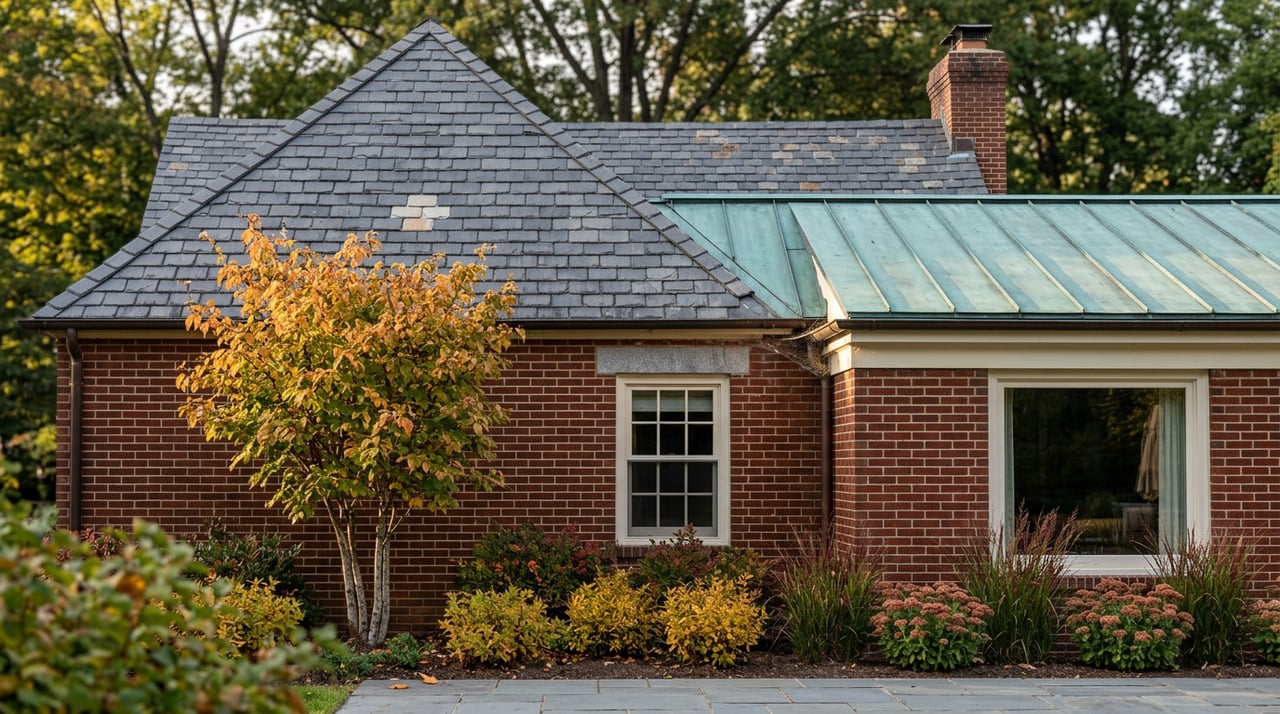
- Housing: Early 20th-century Colonials, Tudors, and Craftsman-style homes along tree-lined streets.
- Vibe: Quiet residential feel, mature trees, and sidewalks in many areas.
- Walkability: Some pockets near small village centers support errands on foot; elsewhere you will likely drive.
Suburban and commercial corridors
- Housing: Ranches, split-levels, and mid-century homes mixed with newer subdivisions.
- Vibe: Errands feel car-centered, and roads get busier at commuting hours.
- Walkability: Lower overall; services cluster along main roads and plazas.
Village and small commercial pockets
- What to expect: Clusters of local shops, restaurants, and services create the best walkability in town.
- Vibe: Casual dining and coffee spots with more activity on weekends and early evenings.
Transitional and denser areas
- Housing: Duplexes, low-rise apartments, and rentals closer to major roads.
- Vibe: More mixed-use and a bit busier, with a range of housing options.
Weekdays bring commuter traffic toward I-280 and Newark. Evenings are typically quieter in residential areas, with village pockets offering a modest dinner scene. Weekends tilt outdoors, especially around South Mountain and Turtle Back Zoo, plus seasonal community events. Schedules vary each year, so check the Township of West Orange calendar for current listings.
Parks, recreation, and culture
If you value easy access to green space, this is a strong area.
- South Mountain Reservation: A large, multi-town reservation with hiking, picnicking, sledding in winter, and sweeping views. Trailheads are a short drive from many West Orange addresses.
- Turtle Back Zoo and South Mountain Recreation Complex: A regional draw with zoo exhibits, seasonal activities, and nearby walking paths. It is a go-to for weekend visits and out-of-town guests.
- Thomas Edison National Historical Park: A national park site that preserves Edison’s laboratory and offers exhibits, tours, and educational programs.
- Local programs: The township and library system host classes, youth programs, and events. Programming spans all seasons and is updated regularly on the Township site.
Dining, groceries, and daily errands
You will find a mix of casual restaurants and cafes that reflect the township’s diverse population. Dining clusters in village pockets and along major corridors, so you can choose between a quick local spot or a short drive to neighboring towns for more options. Grocery shopping is straightforward, with national chains, local markets, and specialty stores nearby. Larger malls and big-box retail are also a quick drive away.
Arts and entertainment options tend to be smaller and community-based within West Orange. For bigger venues, you are close to Montclair and Newark, which expands your live music, theater, and museum choices.
Getting around and commuting
By car
I-280 provides east-west access, and several county roads connect you to nearby highways. Street parking is common in residential areas, while village pockets offer municipal lots and curbside spaces.
By bus and rail
- Bus: NJ Transit runs local and commuter bus routes through West Orange to Newark and to transfer points for Manhattan-bound service. Check NJ Transit bus schedules and map routes from your specific address.
- Rail: West Orange does not have a central NJ Transit rail station. Most rail commuters drive or take a local bus to nearby stations in South Orange, Maplewood, or Newark Penn Station for service to New York Penn Station.
- Airport: Newark Liberty International Airport is the closest major airport, reachable by car or transit connections.
Door-to-door trips to Manhattan vary widely. Many residents report 40 to 75 minutes depending on the time of day, transfer choices, and where you start in town. If you plan to rely on transit, test-run your route at your expected commuting hour before you commit to a specific neighborhood.
Practical tips for commuters
- Identify properties near efficient bus lines if you prefer a one-seat ride to Newark or a quick transfer.
- Factor in station parking if you plan to drive to rail. Availability and fees can influence your routine.
- Expect traffic peaks at rush hour near I-280 and major arterials.
Housing, schools, and costs
Housing stock and market character
West Orange is largely single-family homes across a range of eras and sizes, with pockets of condos, apartments, and duplexes closer to commercial corridors. Prices vary by neighborhood, property type, and condition. If you are comparing different sections of town, look closely at lot size, street setting, and proximity to transit or village pockets.
Rental opportunities exist, especially near denser corridors. Rents and availability typically reflect distance to shops, transit, and employment centers.
Schools and education
The public school district is West Orange Public Schools, which includes multiple elementary and middle schools and West Orange High School. District and school performance can vary by program and year. Families often review the New Jersey Department of Education school performance reports and confirm school zoning with the district. Private and parochial options are available in the area, and higher education institutions, including Montclair State University, are a short drive away.
Taxes and cost of living
Property taxes in suburban New Jersey tend to be above the national average, and West Orange follows this pattern. Tax bills vary by assessed value, local levies, and property-specific factors, so it is important to review the tax history for any address you are considering. The overall cost of living is generally higher than the U.S. average due to housing, taxes, and proximity to New York employment centers.
Safety and services
Crime patterns vary by block and by timeframe. You can review township police updates and neighborhood-level statistics as part of your due diligence. West Orange provides municipal services such as public works, recreation, and local police and fire coverage.
Is West Orange the right fit for you?
West Orange can be a strong match if:
- You want access to significant green space alongside a suburban residential feel.
- You prefer small, walkable pockets rather than one large downtown.
- You are comfortable with a bus-to-rail or drive-to-rail commute and want options to balance time and cost.
It may feel less aligned if:
- You need a single-seat rail commute from a station inside town.
- You are looking for late-night urban nightlife within walking distance.
- You want a uniformly walkable core across the entire township.
How to scout West Orange like a local
- Visit your target blocks at rush hour, evening, and weekend to understand daily rhythms.
- Test your commute. Drive or bus to South Orange, Maplewood, or Newark Penn Station and time the full door-to-door trip.
- Confirm school zoning directly with the West Orange district if public school placement is important to you.
- Review the property’s tax history and recent comparable sales to set realistic expectations.
- Explore South Mountain Reservation and the village pockets to see how you will use nearby amenities.
- Try everyday errands from the home. Where are the closest groceries, pharmacy, and coffee spots?
Key local resources
- Thomas Edison National Historical Park: National Park Service overview and visitor info
- South Mountain Reservation: Essex County Parks trails and maps
- Turtle Back Zoo: Official site and ticket information
- Township services and events: Township of West Orange
- Buses and connections: NJ Transit bus schedules and maps
- Public schools: West Orange Public Schools district site
- State school data: NJ Department of Education performance reports
Ready to explore with a guide?
If West Orange sounds like a fit, it helps to tour homes and test commutes with someone who knows both Manhattan and North Jersey. With a high-touch, educational approach and VIP access to select off-market opportunities, Rebecca Brooksher can help you compare neighborhood pockets, plan your commute, and move at a pace that feels right. Start your happy home hunt.
FAQs
How long is the commute from West Orange to NYC?
- Many residents report 40 to 75 minutes door to door, depending on time of day, transfers, and where you start in town.
Does West Orange have a walkable downtown?
- The township has several small village-style areas with shops and dining rather than one large downtown; walkability is highly neighborhood-specific.
What are the main outdoor options in West Orange?
- South Mountain Reservation and the nearby Turtle Back Zoo are major draws, with hiking, picnicking, and family activities across seasons.
How do public schools work in West Orange?
- West Orange Public Schools serves the township; performance and programs vary by year. Confirm zoning with the district and review state reports.
Are property taxes high in West Orange?
- Property taxes are typically above the national average and vary by assessed value and levies. Review the tax history for any specific address.