Thinking about trading an NYC lease for a South Orange address? It can be a smart move, but it comes with a different set of numbers, timelines, and daily routines than many city buyers expect. If you want a clearer picture of costs, commuting, and the New Jersey buying process, this guide will help you plan the move with fewer surprises. Let’s dive in.
Why South Orange draws NYC movers
South Orange offers a compact suburban setting with strong rail access to New York, which is a big reason many city buyers put it on their shortlist. It is located in Essex County and has an estimated 19,139 residents in 2025.
The village is small in footprint at 2.8 square miles, which can make daily life feel manageable if you are used to navigating dense neighborhoods. Census data also shows a median age of 37.5, a median household income of $196,481, and a highly educated adult population, with 77.5% holding a bachelor’s degree or higher.
For many NYC buyers, the appeal is not just the location. It is the combination of suburban housing types, rail service, and a community scale that still supports a connected daily routine.
South Orange housing costs
The biggest adjustment for many buyers is not just the purchase price. It is the full monthly carrying cost once taxes, insurance, utilities, and maintenance are added in.
Census Reporter places the median value of owner-occupied homes in South Orange at $866,600. It also reports a median gross rent of $2,296 and median monthly owner costs with a mortgage at $4,000 or more.
Property taxes are a major part of the math. New Jersey’s 2024 average residential tax bill for South Orange was $22,065, which works out to about $1,839 per month before you even factor in your mortgage, homeowners insurance, utilities, or upkeep.
That is why two homes with similar prices can feel very different in your monthly budget. If you are moving from the city, where your current housing costs may be structured differently, it helps to evaluate the monthly picture first and the list price second.
Build a realistic relocation budget
A practical move starts with a budget that accounts for more than your down payment. If you are ending a lease, carrying two homes for a short period, or coordinating a sale and purchase at once, your cash flow matters just as much as your loan approval.
NJ Realtors notes a common affordability guideline used by many experts: keeping your mortgage, taxes, and insurance at or below 28% of your gross monthly income. In a place like South Orange, that benchmark can be useful because taxes alone take up a meaningful share of the monthly total.
The Consumer Financial Protection Bureau also advises buyers to plan for maintenance and utilities, keep an emergency cushion of about three to six months of expenses, and expect closing costs of around 2% to 5% of the purchase price, not including the down payment. Those costs can feel especially important if you are relocating from NYC and already managing moving expenses, deposits, or overlap costs.
A simple budget checklist can help:
- Down payment
- Closing costs
- First-year property taxes
- Homeowners insurance
- Utilities
- Maintenance and repair reserves
- Moving costs
- Lease overlap or temporary housing costs
- Furniture or setup costs for a larger space
- Emergency savings cushion
What the housing mix looks like
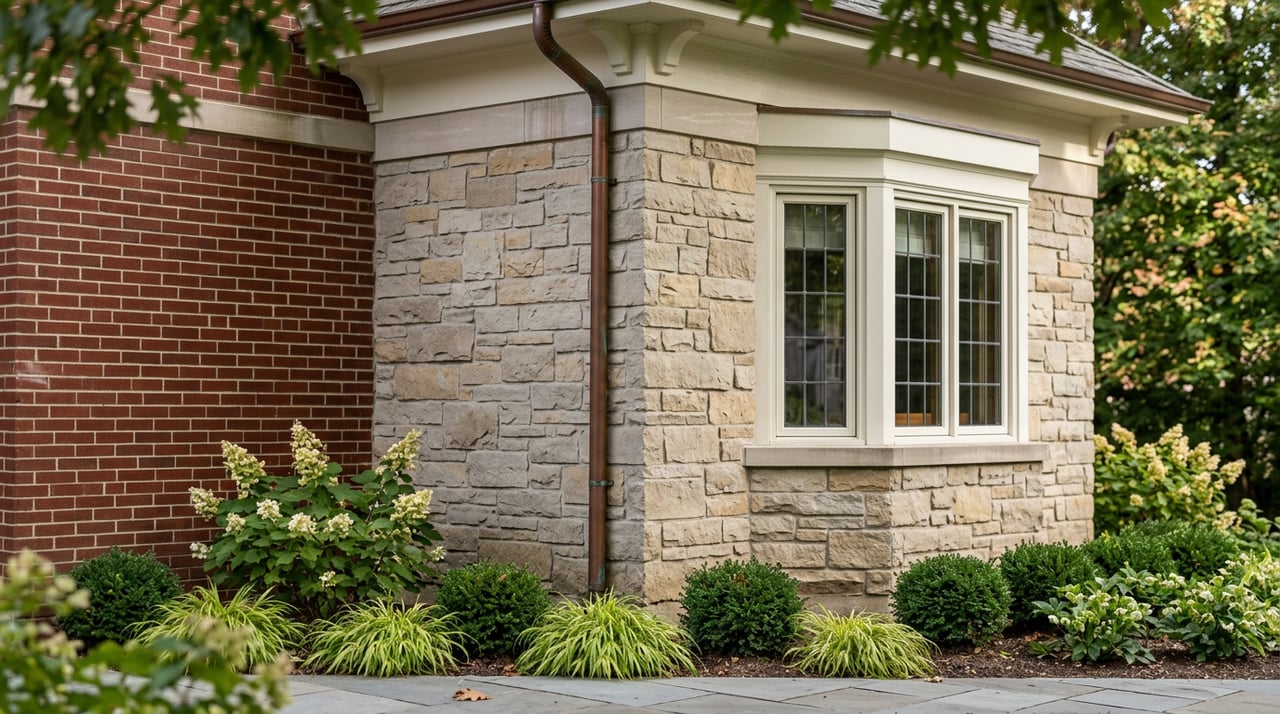
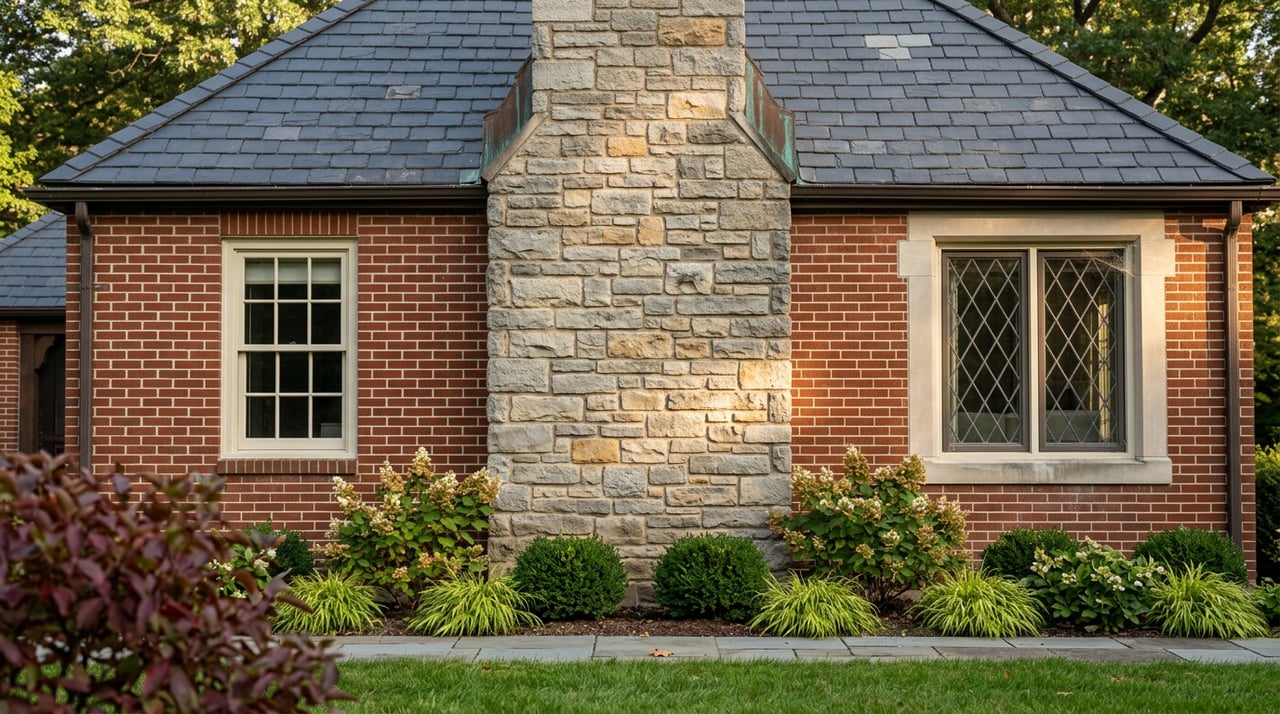
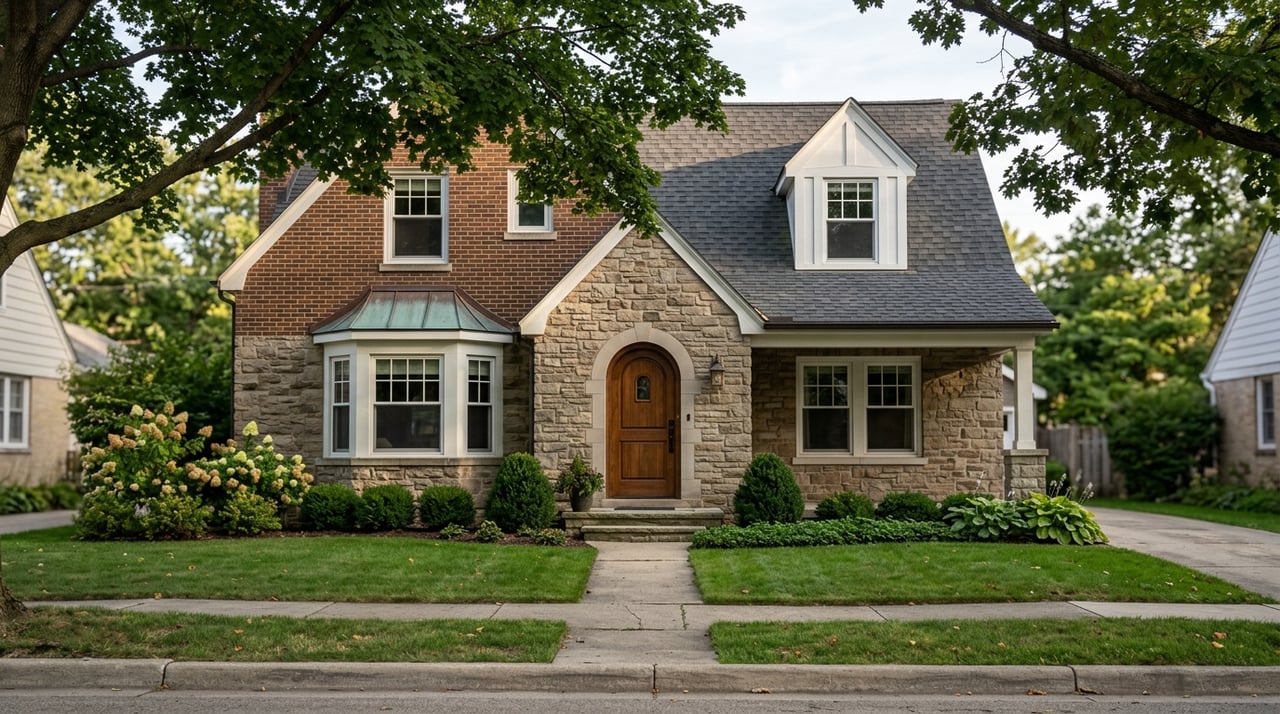
South Orange is not an extension of Manhattan housing stock, and it helps to reset expectations early. Census Reporter shows that 63% of housing structures are single-unit properties, and 65% of occupied homes are owner-occupied.
That means your search will likely center more on houses and smaller-scale residential options than on large apartment buildings. The market also appears relatively stable, with 6,208 housing units, 98% occupancy, and 13.1% of residents having moved within the previous year.
If you are used to comparing condos by amenities and monthly common charges, your priorities may shift here. Lot size, maintenance needs, older systems, storage, parking, and outdoor space may become more important parts of the conversation.
Commute planning from South Orange
For many buyers coming from NYC, the commute is the make-or-break factor. South Orange Station is served by NJ Transit’s Morris & Essex Line and Gladstone Branch, with Midtown Direct service to Penn Station New York.
NJ Transit also lists parking and bike racks or lockers at the station. Current rail fares show South Orange to New York at $8.50 one way and $248 for a monthly pass.
Bus service can also be a useful backup. NJ Transit lists Route 107 as serving South Orange, Irvington, and New York City.
Census Reporter shows a mean travel time to work of 38.6 minutes for South Orange residents. Still, averages only tell part of the story. Your real commute depends on your exact home location, your walk or drive to the station, parking availability, and what time you travel.
Test the commute before you buy
This may be the most practical step in your relocation process. Before you commit to a home, test the trip the way you would actually live it.
Try the morning departure you expect to use and the evening return you would make most often. Include the walk to the station, time to park if needed, waiting time, transfers, and the last stretch from the city to your office.
A commute that looks great on paper can feel very different five days a week. Doing a live test helps you choose with more confidence and can prevent buyer’s remorse later.
How the New Jersey buying process differs
If you have only bought in New York City, New Jersey may feel familiar in some ways and very different in others. One of the most important early steps is getting pre-approved, since NJ Realtors says it shows sellers you are in a strong financial position.
After that, a practical buyer timeline in New Jersey often looks like this:
- Pre-approval
- Offer
- Attorney review
- Inspection and insurance work
- Final walk-through
- Closing
The attorney-review period is a key local detail. NJ Realtors says the buyer or seller may consult an attorney during a three-day attorney-review period after contract signing, so your timeline may not move in exactly the same way you expect from an NYC purchase.
Inspections, insurance, and older homes
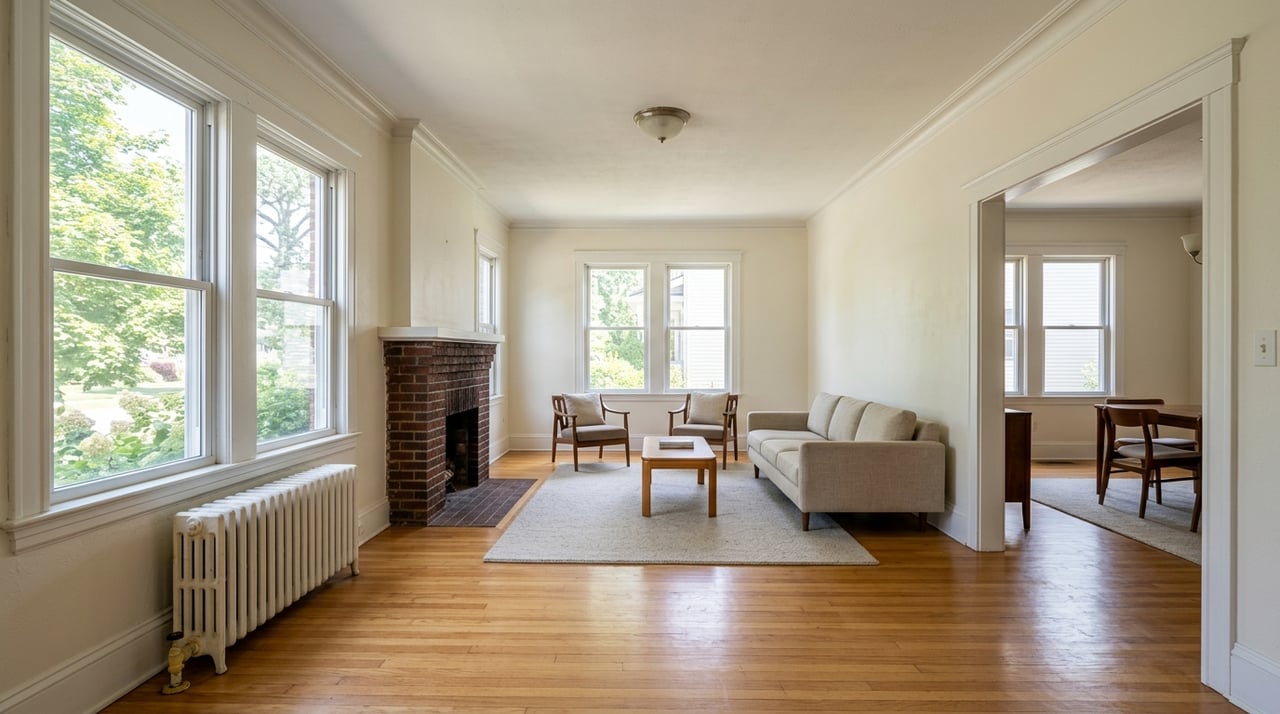
Because South Orange has a housing mix that often includes older homes, disclosures and inspections deserve close attention. NJ Realtors advises buyers to schedule a home inspection after contract and to shop for homeowners insurance as soon as the contract is signed.
Flood insurance may also be needed in some cases, since standard homeowners policies do not cover flood. That is not something you want to discover at the last minute while trying to keep a relocation on track.
If a home was built before 1978, the seller must provide the EPA pamphlet and lead disclosure before contract signing. That is another detail worth building into your review process, especially if you are comparing several older properties at once.
Condo and HOA timing to watch
If you are considering a condo or a property governed by an association, plan for a few extra steps. According to NJ Realtors’ standard timeline, association documents should be provided before contract signing.
The same timeline notes that a right-of-first-refusal waiver may be due within 10 business days after the contract is finalized, and closing documents should be delivered at least 3 business days before closing. These are manageable steps, but they can affect timing.
For NYC buyers used to board packages or co-op rules, this may not feel intimidating. Even so, condo-document review and repair negotiations can still slow a deal, so it helps to stay flexible.
A practical relocation strategy
The smoothest NYC-to-South Orange moves usually come down to good sequencing. When you match your budget, commute, and contract timeline from the start, the transition feels more manageable.
A strong relocation plan often includes:
- Getting pre-approved before touring seriously
- Setting a monthly budget, not just a target price
- Estimating taxes as part of every home comparison
- Testing your exact commute options
- Reviewing inspection and insurance needs early
- Leaving room in your schedule for attorney review or condo documents
- Planning for overlap if you are exiting an NYC lease or selling another home
South Orange can be a compelling choice if you want rail access to New York and a more suburban housing mix. The key is understanding that the decision is about lifestyle and logistics as much as the address itself.
If you are weighing the move from Manhattan or another part of the city, working with someone who understands both sides of the Hudson can make the process feel far more straightforward. For tailored guidance on your South Orange search, start your happy home hunt with Rebecca Brooksher.
FAQs
What does it cost to live in South Orange compared with NYC?
- South Orange housing costs often require a close look at full monthly expenses, especially because the median owner-occupied home value is $866,600 and the 2024 average residential tax bill was $22,065.
What is the train commute from South Orange to New York City?
- South Orange Station offers NJ Transit Midtown Direct service to Penn Station New York, and the current listed fare is $8.50 one way or $248 monthly.
What housing types are common in South Orange?
- South Orange has a housing mix led by single-unit properties, with Census Reporter showing 63% single-unit structures and a 65% owner-occupancy rate.
What should NYC buyers know about the New Jersey closing process?
- New Jersey buyers should be ready for pre-approval, offer, attorney review, inspection and insurance work, final walk-through, and closing, with attorney review being an important local step.
What should buyers check when purchasing an older South Orange home?
- Buyers should pay close attention to disclosures, schedule a home inspection after contract, shop for homeowners insurance promptly, and review lead disclosure requirements for homes built before 1978.