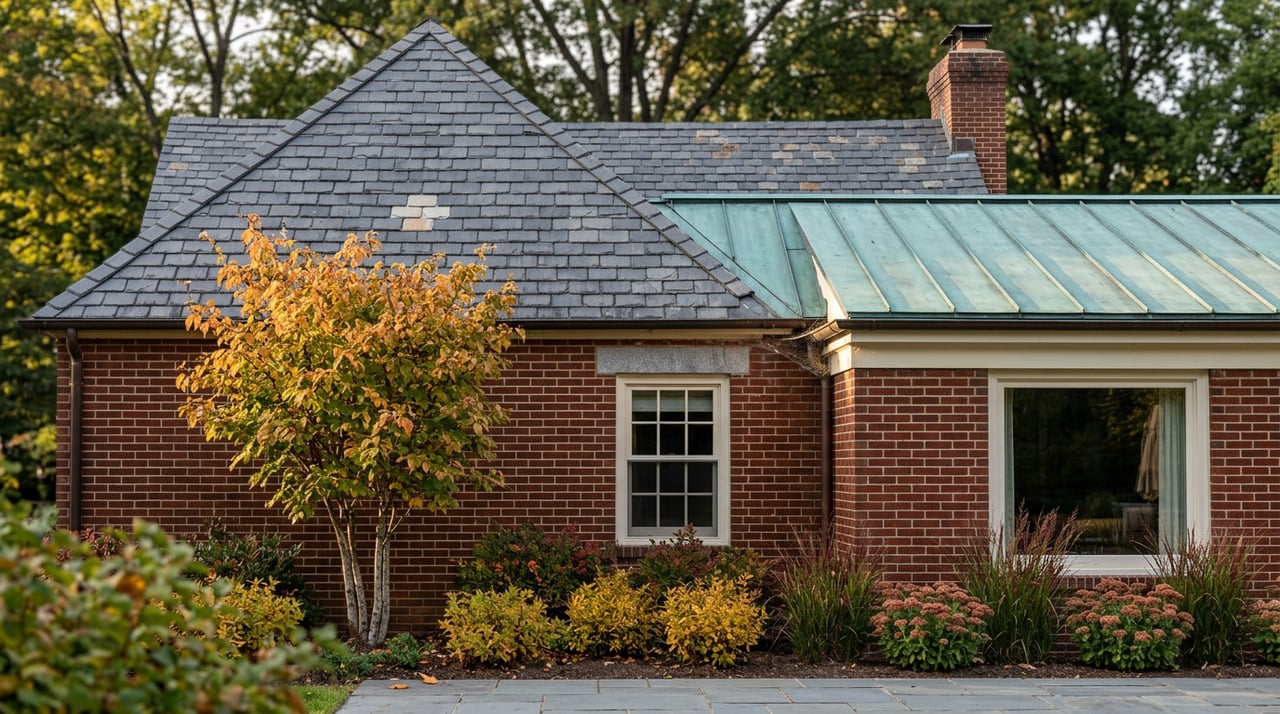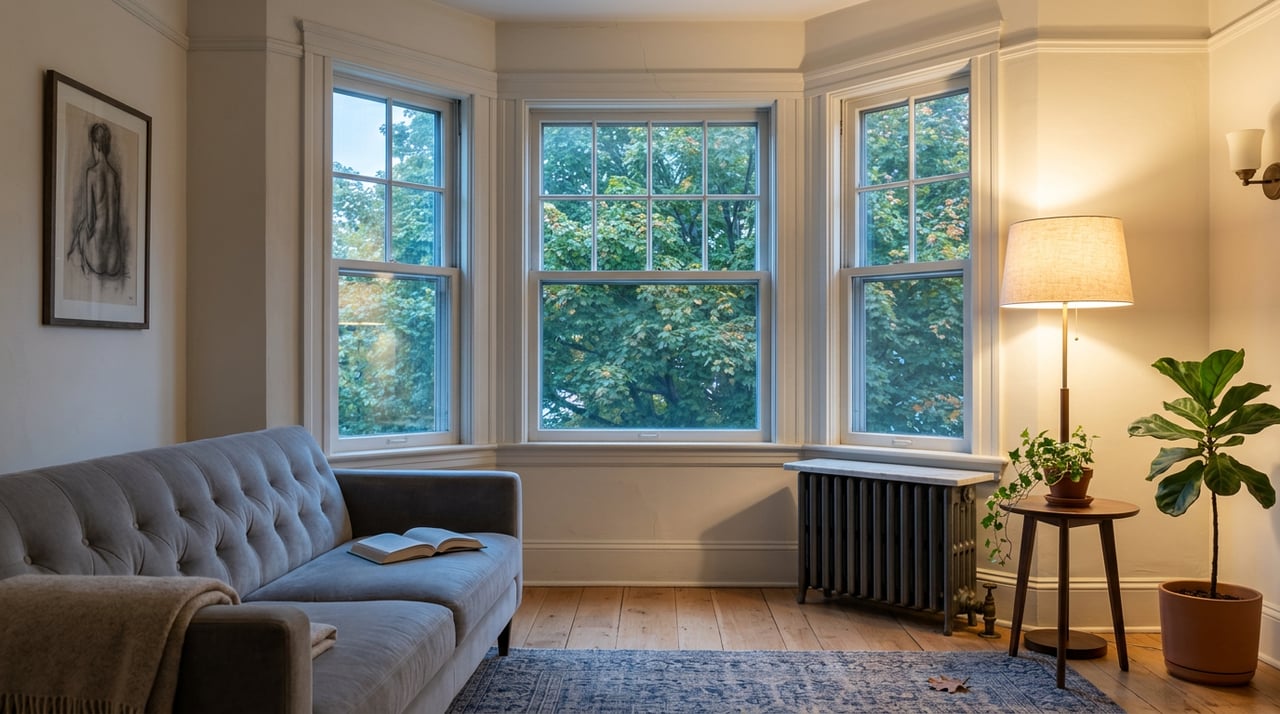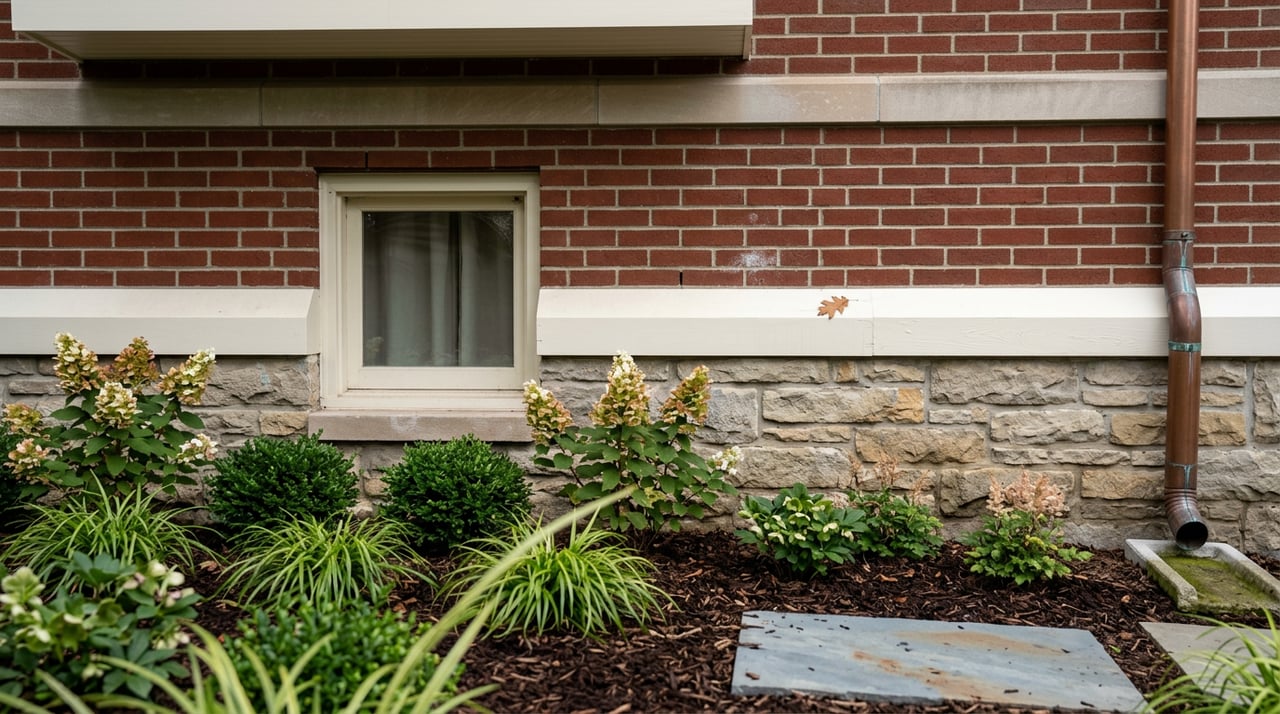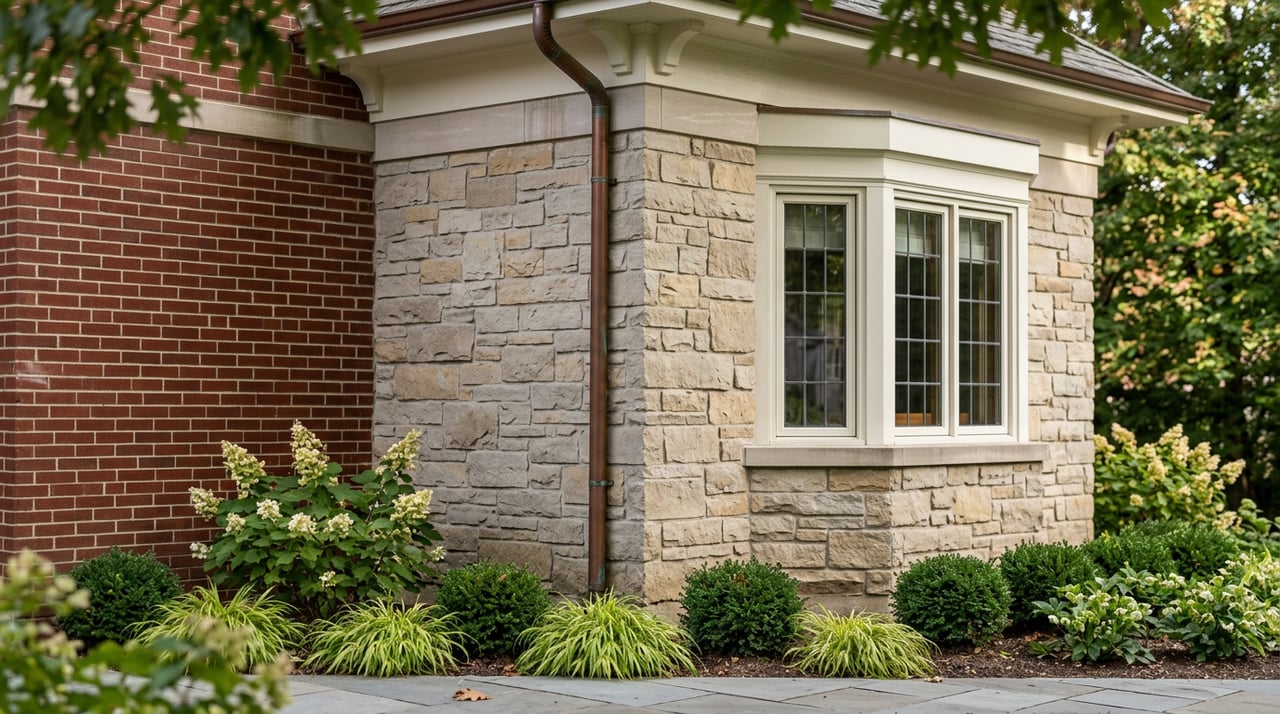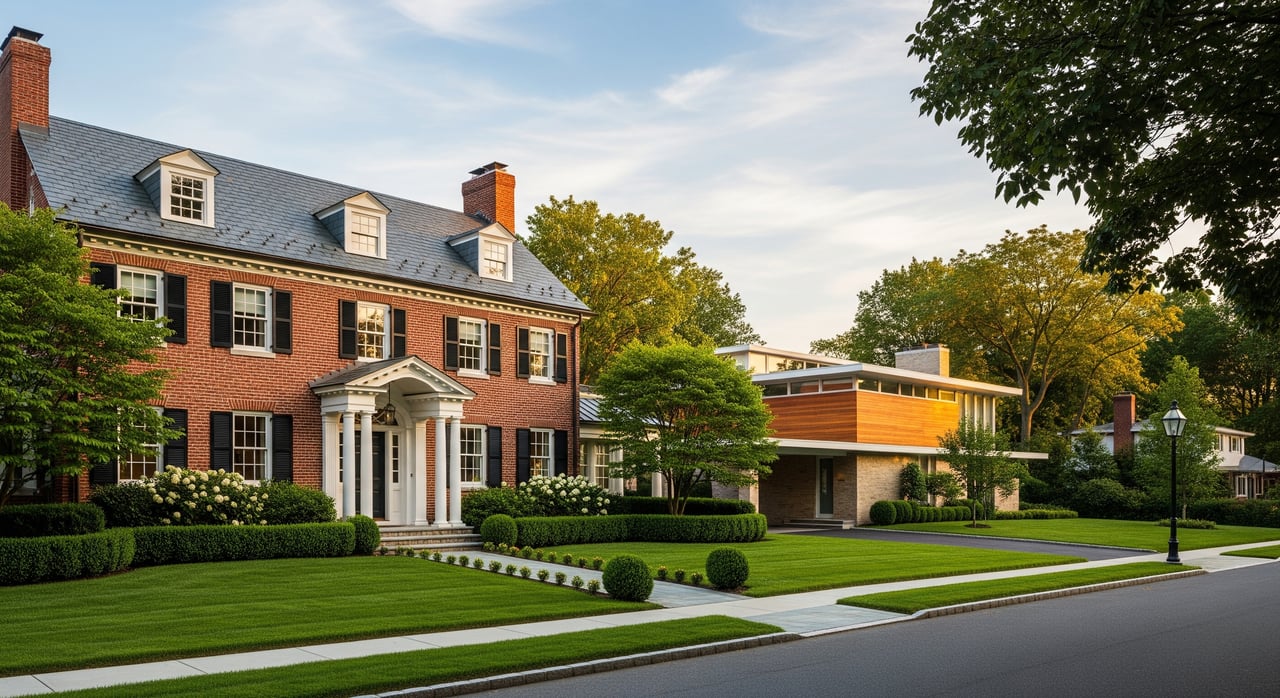
Eyeing a charming South Orange house but not sure if it is a Colonial, a Tudor, a Victorian, or a Mid-Century ranch? You are not alone. Many buyers love the character here yet wonder what the floor plan, maintenance, and renovation path look like for each style. This guide breaks it down so you can match your lifestyle to the right home and plan smart updates with confidence. Let’s dive in.
Why South Orange looks this way
South Orange grew as a commuter suburb from the late 1800s through the early 1900s, then added Mid-Century homes in later decades. That timeline created a mix of late Victorian, Colonial Revival, and Tudor Revival homes, with scattered Mid-Century options and modern renovations.
You will find tree-lined streets, sidewalks, porches, and many detached single-family homes with basements and attics. Proximity to the commuter rail and the village center often shapes buyer priorities, from walkability to lot size.
Some streets fall within local historic districts or design review areas. Exterior changes visible from the street may require approval, so it is smart to check with the village’s preservation commission early in your planning.
Colonial Revival at a glance
How to spot it
Colonial Revival homes often show a symmetrical front, a centered door, and multi-pane double-hung windows. Look for gabled or side-gabled roofs and clapboard or brick exteriors. Ornament is usually modest compared to Victorian homes.
Layout and flow
Expect a formal entry hall with living and dining rooms on either side and a kitchen at the rear. Bedrooms stack on the second floor, and there is usually a full basement. The rectilinear, stacked plan often makes plumbing and HVAC runs more straightforward.
Maintenance priorities
- Roof, flashing, and gutter function to protect foundations
- Historic wood windows that may need repair and weatherstripping
- Older electrical systems that may include knob-and-tube or ungrounded circuits
- Masonry tuckpointing and wood sills where present
Smart updates in South Orange
Rear kitchens can often expand into adjacent rooms or with a rear bump-out. If you are opening walls to create a larger kitchen-dining area, get a structural assessment first. Adding a bath or larger closets is often feasible by reworking nearby space or finishing the attic or basement.
Best fit for your lifestyle
Choose a Colonial if you like classic symmetry, defined rooms, and a traditional bedroom stack. Many buyers find it easy to modernize while keeping period character.
Tudor Revival in South Orange
How to spot it
Tudor Revival homes feature steep gable roofs, decorative half-timbering with stucco, and tall, narrow windows. Prominent chimneys and asymmetry add to the storybook look.
Layout and flow
Plans are less formal and more picturesque than Colonials. Expect cozy rooms, nooks, and built-ins. You may see sloped ceilings upstairs where rooflines meet interior walls.
Maintenance priorities
- Complex roof intersections and flashing at valleys, dormers, and chimneys
- Stucco and half-timber joints that can invite water if not maintained
- Chimney masonry and cap condition
- Original casement windows that may be drafty
Smart updates in South Orange
Many Tudors feel compartmentalized, so think carefully before removing walls that hold character details like beams or archways. Upgrading window performance and insulating sloped ceilings can significantly improve comfort and energy use. Slate roofing, if present, is durable but costly to replace; composite is a common substitute.
Best fit for your lifestyle
Pick a Tudor if you love curb appeal and intimate, character-rich rooms. It suits buyers who value distinct architecture over expansive open plans.
Victorian charm and quirks
How to spot it
Victorian-era homes often include Queen Anne and Folk Victorian styles. Look for asymmetry, wraparound porches, turned posts and trim, bay windows, and varied rooflines. Towers or turrets appear on some larger examples.
Layout and flow
Rooms can be numerous and formal, with high ceilings and sometimes more than one staircase in larger houses. Attic spaces are common. Layouts may feel segmented rather than open.
Maintenance priorities
- Wood trim and porch elements that may need repair due to rot or insects
- Foundation settlement and floor or joist conditions in very old homes
- Lead-based paint in pre-1978 homes; follow proper rules if disturbing painted surfaces
- Older mechanical systems that may have been upgraded in stages
Smart updates in South Orange
Restoring original trim and woodwork can be rewarding and appeals to buyers who want authenticity. Moving to a modern open plan is possible but often requires significant structural work. Stair width and floor loads can limit certain reconfigurations, so plan with an experienced contractor.
Best fit for your lifestyle
Choose a Victorian if you value unique details, grand porches, and historic character. Be ready for more hands-on maintenance and strategic modernization.
Mid-Century and ranch options
How to spot it
Postwar homes in this group include ranch, minimal traditional, and mid-century modern variants. Look for single-story living, low-pitched roofs, large picture windows, horizontal lines, and sometimes attached garages.
Layout and flow
Ranches often put all main rooms on one level, with bedrooms, living, and kitchen on the same floor. Basements are common in this region. Plans tend to be simpler to open or reconfigure.
Maintenance priorities
- Low-pitched roofs that need careful drainage and timely replacement
- Slab drainage and grading if a slab foundation exists
- Older HVAC and electrical systems that may be near end-of-life
- Potential asbestos in some mid-century materials; test before disturbance
Smart updates in South Orange
These homes are often ideal for open kitchens and living spaces with fewer structural hurdles. Window upgrades and added insulation can boost comfort and savings. Single-floor living appeals to buyers planning for long-term accessibility.
Best fit for your lifestyle
Pick Mid-Century if you want easy flow, simpler renovations, and minimal stairs. It suits buyers who prefer a clean canvas for modern updates.
Renovation scopes and timing
Every style can shine with thoughtful upgrades. Prioritize projects in this order to protect your budget and timeline.
- Cosmetic refresh: paint, floors, trim touch-ups. Quick and high appeal.
- Systems upgrades: electrical panels, HVAC, and hot water heaters. Do these early.
- Envelope improvements: windows, attic insulation, and siding repairs for comfort and efficiency.
- Kitchens and baths: scope depends on style. Rear kitchens in Colonials and Victorians may need structural work. Mid-Century plans often open easily.
- Additions and reconfigurations: bump-outs, extra baths, or second-floor expansions. Expect zoning review and, in certain areas, historic commission review for exterior work.
- Basement finishing: a common way to gain living space. Address water intrusion and headroom first.
Timelines vary by scope and house age. Systems and structural work can take weeks to months, while full-scale renovations or additions can take several months and may require temporary relocation.
Inspection red flags to watch
Use this quick checklist as you tour homes and plan your offer.
- Structure and foundation: check for cracks, settlement, and signs of water intrusion in basements
- Roof and drainage: age of roof, condition of flashing, gutters, and downspouts; grading away from the house
- Electrical: knob-and-tube, fuse boxes, lack of grounding, and low amperage for today’s loads
- Plumbing: older galvanized supply, vintage cast-iron drains, or problematic materials in later eras
- HVAC: age and type of systems, number of zones, presence of oil tanks
- Windows and insulation: single-pane windows and limited attic or basement insulation
- Hazardous materials: lead-based paint in pre-1978 homes and potential asbestos in mid-century materials
- Permits: unpermitted additions or conversions that can impact safety and resale
- Historic fabric: character-defining exterior elements may have review requirements in certain districts
Match your lifestyle to a style
- Prefer classic rooms and symmetry: Choose a Colonial Revival. Plan for a kitchen connection or expansion.
- Love unique curb appeal and cozy nooks: A Tudor or Victorian fits. Modernize selectively to preserve charm.
- Want easy living and open plans: Mid-Century or ranch is a strong match. Focus on roof, insulation, and window upgrades.
- Prioritize energy efficiency: No older style is set-and-forget without upgrades. Plan for insulation, high-efficiency HVAC, and window improvements.
- Need accessibility: Single-level ranches are the simplest path. Colonials and Victorians may need lifts or first-floor bed and bath additions.
How to shop smarter in South Orange
- Ask for maintenance records, recent permits, and energy utility history from sellers.
- Confirm whether a home is in a local historic district or subject to exterior design review before planning changes.
- Balance commute and lifestyle. Proximity to the train and the village center can shape what layout or lot size feels right for you.
- If you plan to renovate, bring a contractor or engineer to second showings to frame scope and timing.
Ready to tour with a plan?
If you are deciding between a Colonial near the village, a Tudor on a quiet street, a Victorian with a porch, or a Mid-Century ranch with single-level ease, you have good options in South Orange. The key is matching your daily life to the right plan and understanding what to inspect and upgrade first. With thoughtful steps, you can keep the character you love and make smart, comfortable updates.
If you want a guided shortlist, curated tours, or access to VIP off-market opportunities, reach out to Rebecca Brooksher. Start your happy home hunt.
FAQs
How hard is it to open a South Orange Colonial floor plan?
- It is possible but often requires engineered removal of load-bearing walls, temporary supports, and careful integration with period trim; confirm structure and any local review.
Are older South Orange homes expensive to insulate?
- Start with attic air sealing and insulation for best value; wall insulation in masonry or plaster-and-lath walls is more invasive, and window upgrades should balance efficiency and preservation.
What should I budget for a 1920s roof and systems?
- Costs vary by materials and scope; get inspection-based estimates for roof, HVAC, electrical, and plumbing, and prioritize these essentials before cosmetic work.
Do historic districts limit my renovation options in South Orange?
- Local commissions typically review exterior changes visible from public ways; interior work is usually not regulated, but always confirm rules and permits before you start.
Which upgrades deliver the best resale value locally?
- Updated kitchens and baths, reliable mechanicals, energy improvements, and good curb appeal tend to help; document permitted work and service records for buyers.