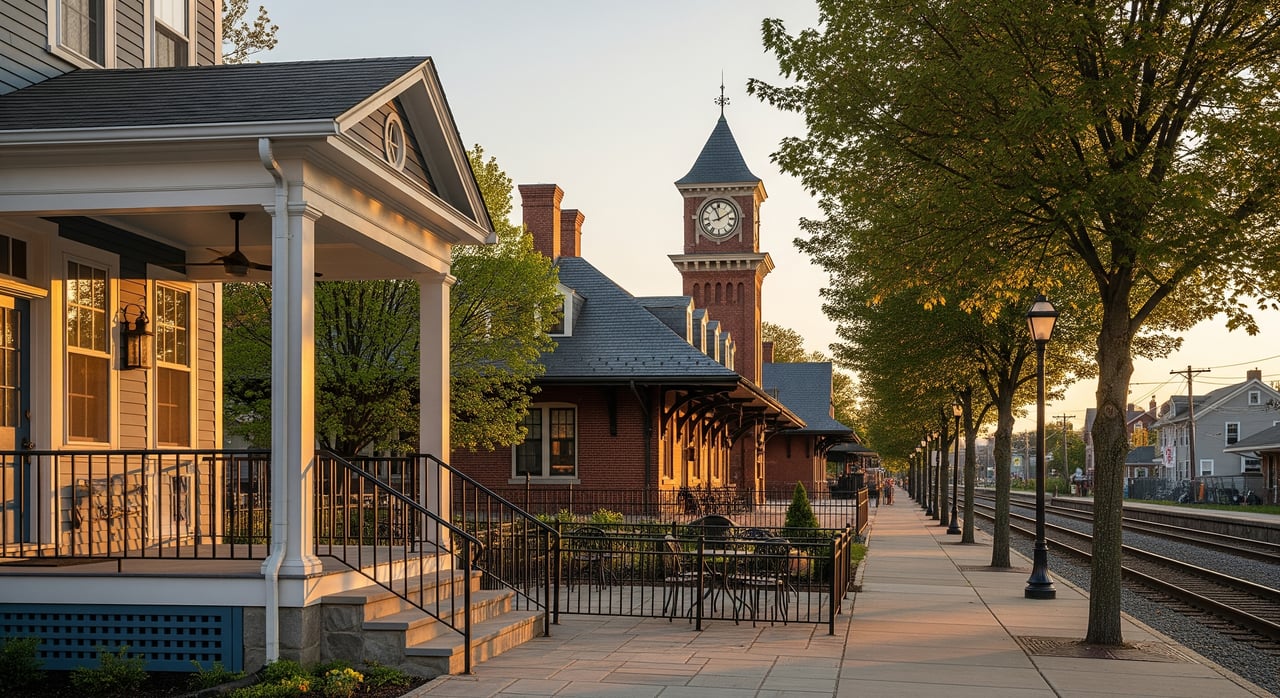
Trying to figure out where to live in South Orange? Start with your commute and the kind of street energy you want day to day. If you are moving from the city or shifting within North Jersey, it helps to map your lifestyle to walk times, train access, parks, and housing style. In this guide, you will learn how the village breaks down by vibe, what commute choices really mean, and how to build a smart shortlist to tour with confidence. Let’s dive in.
How your commute shapes daily life
South Orange is defined by its NJ Transit access. The Morris and Essex lines serve South Orange station with Midtown Direct trains to New York Penn Station and service to Hoboken. Typical trips to Manhattan are roughly 25 to 35 minutes depending on express or local patterns, and Hoboken rides can be shorter. Peak weekday service is most frequent, while off-peak and weekend schedules are reduced, so you will want to confirm current timetables before you plan.
If you plan to commute by rail, living within a 10 to 15 minute walk of the station offers a strong combination of reliability and easy evenings out. Commuter parking exists near the station with permit and pay options, but rules and costs change, so plan to check the latest village and NJ Transit details before you buy. If you are car-first, local arterials connect you to I-280 for east-west access, though timing into Manhattan will vary widely with traffic.
Newark Liberty International Airport is the closest major airport. You can drive or connect by transit through Newark Penn Station and the AirTrain. Travel time varies by time of day and route, so build in buffers if you fly often.
Quick commute cheat sheet
- Rail-first lifestyle: Prioritize a home within a 10 to 15 minute walk of South Orange station.
- Off-peak reality: Expect fewer trains on nights and weekends, and check whether a train stops at South Orange.
- Parking plan: Confirm commuter lot permits and fees, plus any residential street restrictions near your target blocks.
- Car-first routine: Choose areas with quick access to I-280 and comfortable driveway capacity.
- Frequent flyers: Weigh distance to Newark Liberty and how easily you can reach Newark Penn for transit connections.
Micro-areas and neighborhood vibes
South Orange feels different block to block. Use these practical micro-areas to guide your tour planning. Distances are best thought of in walk times rather than miles, and evening energy levels often mirror proximity to the train and downtown.
Village Center and South Orange Avenue
This is the heart of the village around South Orange station. You can walk to cafes, restaurants, local shops, and events most nights and weekends. The South Orange Performing Arts Center adds steady arts programming that keeps the area lively. Housing here includes walkable condos, apartments, small multi-family buildings, and a few single-family homes on smaller lots.
Consider this area if you want to leave the car at home, walk to dinner, and be on a platform in minutes. Expect more foot traffic and some nighttime activity compared with quieter residential pockets farther out.
North of South Orange Avenue and Seton Hall corridor
Just north of the center, Seton Hall University and surrounding blocks create a college-influenced zone. You will see a mix of residential streets, campus-adjacent buildings, and small multi-family properties. It is still a short walk to the station in many spots, with more day-to-day pedestrian flow when classes are in session.
Consider this area if you like being near university events and an energetic environment. If you prefer very quiet nights, visit your target streets both on a weekday and a weekend to get a feel for the rhythm.
West and southwest residential neighborhoods
Several blocks west and southwest of the village center, you will find tree-lined streets and a quieter residential feel. Walks to the station range from about 10 minutes to more than 25 depending on the block. Homes tend to be larger with more yard space and a mature canopy.
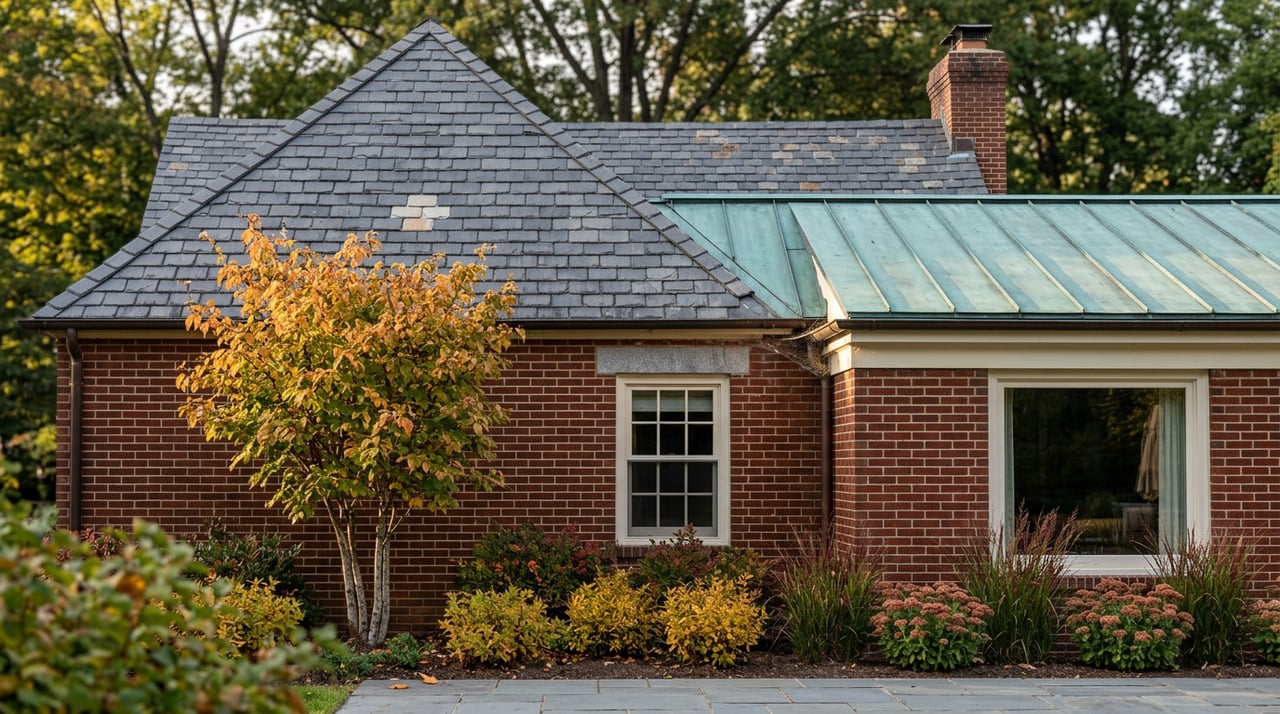
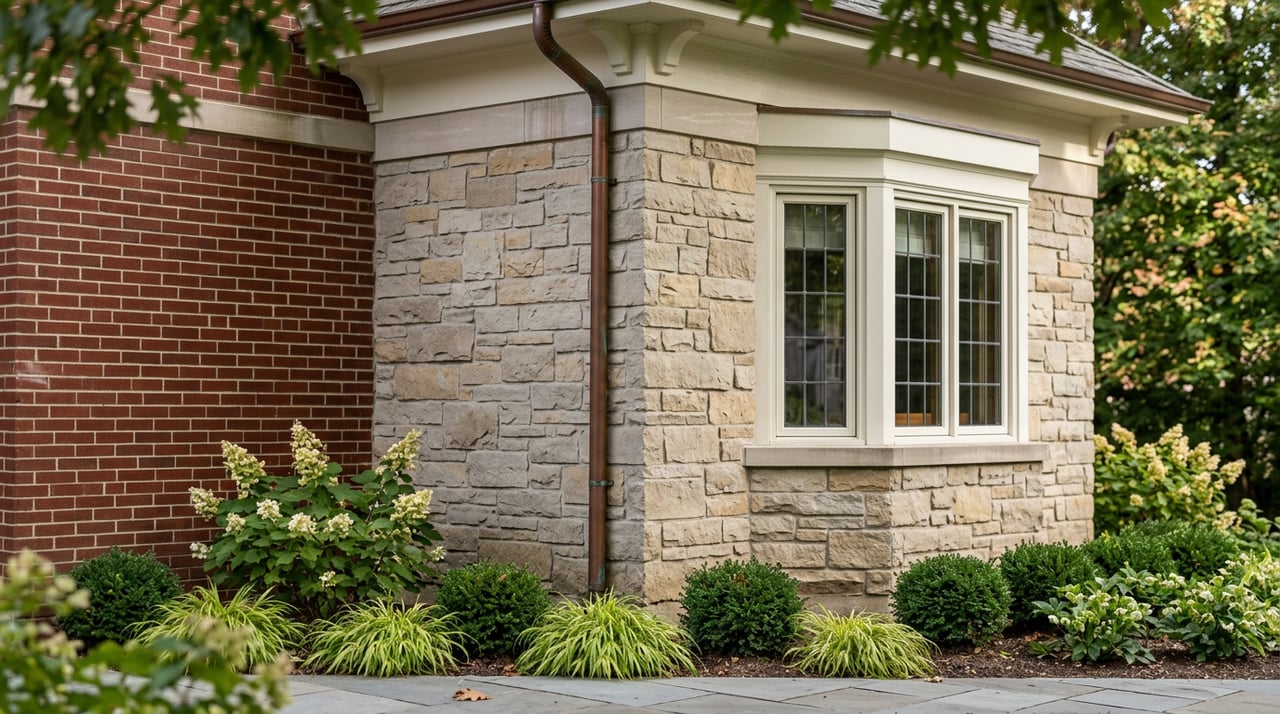
Housing here is predominantly pre-war single-family homes, including Tudors, Colonials, Victorians, and Craftsman styles, with some post-war designs. Consider these areas if you want space and privacy and do not mind a longer walk or a quick drive to downtown.
Southern hillside near South Mountain Reservation
Closer to South Mountain Reservation, streets are more wooded and can be hilly. You gain quick access to trails and larger green space. The tradeoff is a longer walk or a drive to the station.
Housing ranges from early 20th-century homes to later builds, sometimes with views given the topography. Consider this pocket if daily trail access and a suburban-woodland feel are high on your list.
Edge neighborhoods near Maplewood and Newark
On the edges, you will find blocks that transition into neighboring Maplewood to the west and Newark to the east. Some streets share a similar housing stock and vibe with Maplewood, while others reflect their proximity to Newark and to major roads. Commute options can include a quick drive to I-280, bus connections, or access to Maplewood station depending on the address.
Consider these edges if you want flexibility to use amenities in adjacent towns or prefer a specific block’s location over a fixed definition of neighborhood.
Housing types and what to expect
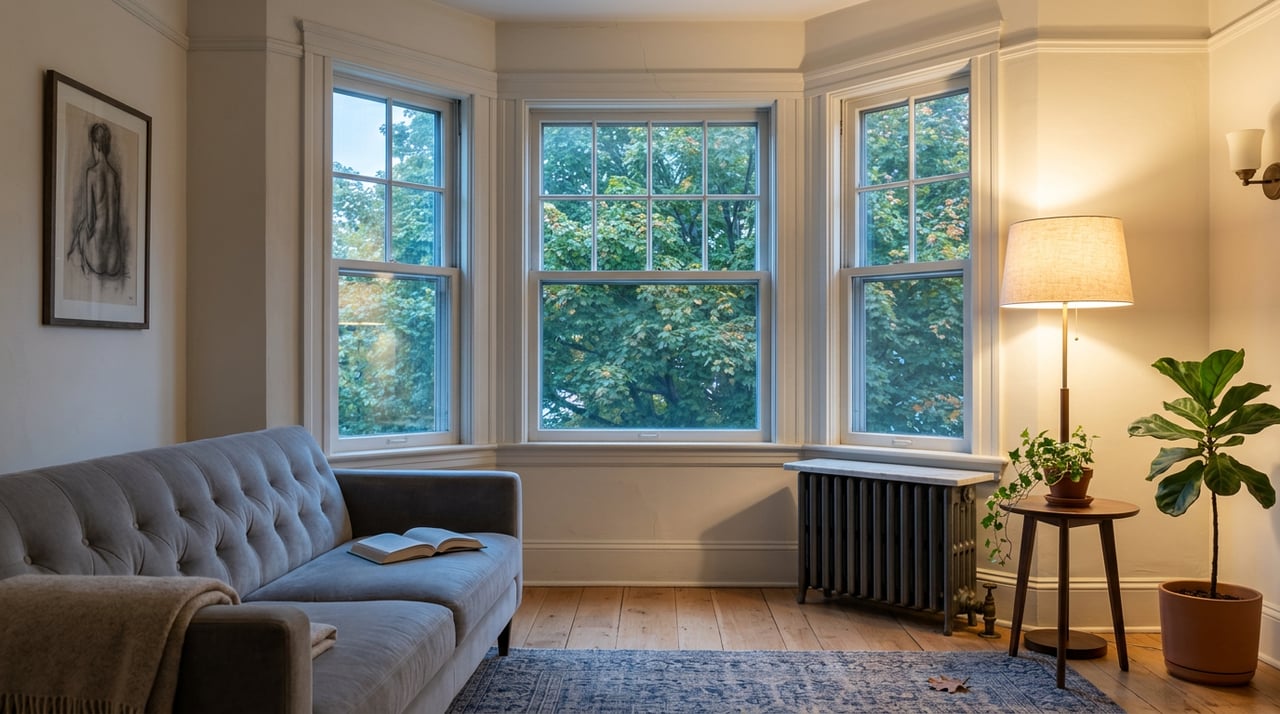
South Orange has a high concentration of pre-war homes with period details such as built-in cabinetry and plaster walls. Many buyers love the character, but older homes often need updates to major systems like HVAC, electrical panels, plumbing, windows, and insulation. A thorough home inspection and realistic budgeting for near-term capital items are essential.
Closer to downtown, you will find more multi-family buildings, rentals, and condos. Condos often carry monthly association fees that cover exterior maintenance, snow removal, landscaping, and shared amenities. Review budgets, reserve funds, and recent meeting minutes to understand the building’s financial health and maintenance plan.
Property taxes in Essex County can be higher than in more distant counties, and individual tax bills vary with assessment and home size. Review recent tax history for any home you are considering. If you plan to house-hack or rent, verify local rental licensing rules and any restrictions on short-term rentals before you buy.
On-street parking rules, resident permits, and commuter parking restrictions may apply in different parts of the village. Count your vehicles, check curb regulations, and confirm driveway capacity during your tour.
Parks, arts, and everyday life
South Orange benefits from a compact downtown for dining, cafes, boutique retail, and community events. Larger grocery and big-box shopping are typically a short drive to nearby corridors or neighboring towns. The South Orange Performing Arts Center anchors the arts scene, and Seton Hall University adds cultural, academic, and athletic events that enrich the calendar.
For the outdoors, South Mountain Reservation offers expansive trails and recreation. Local municipal parks provide fields and playgrounds across the village. If greenspace access is a top priority, weigh your distance to reservation trailheads and to your preferred neighborhood parks.
Build your shortlist by lifestyle
Use these quick prompts to focus your tour and save time.
- Commute priority: If you want a train-first routine and regular evenings out, target the Village Center and the Seton Hall corridor within a 10 to 15 minute walk to the station.
- Walkability: If you want to walk to restaurants and arts programming, stay near the South Orange Avenue corridor and the station zone.
- Space needs: If you want larger lots and more privacy, focus on west and southwest residential streets and southern hillside pockets.
- School logistics: If public schools matter in your decision, confirm current boundaries and any special program details with the South Orange-Maplewood School District.
- Parking reality: Count vehicles, ask about street permits, and assess driveway and garage setups during showings.
- Noise comfort: Visit candidate blocks at rush hour and during a weekend evening to gauge train and nightlife activity.
- Renovation timeline: Ask about the age of major systems, recent permits, and factor in likely updates for pre-war homes.
- Rental questions: If considering rental income, verify that your property type and use comply with local rules.
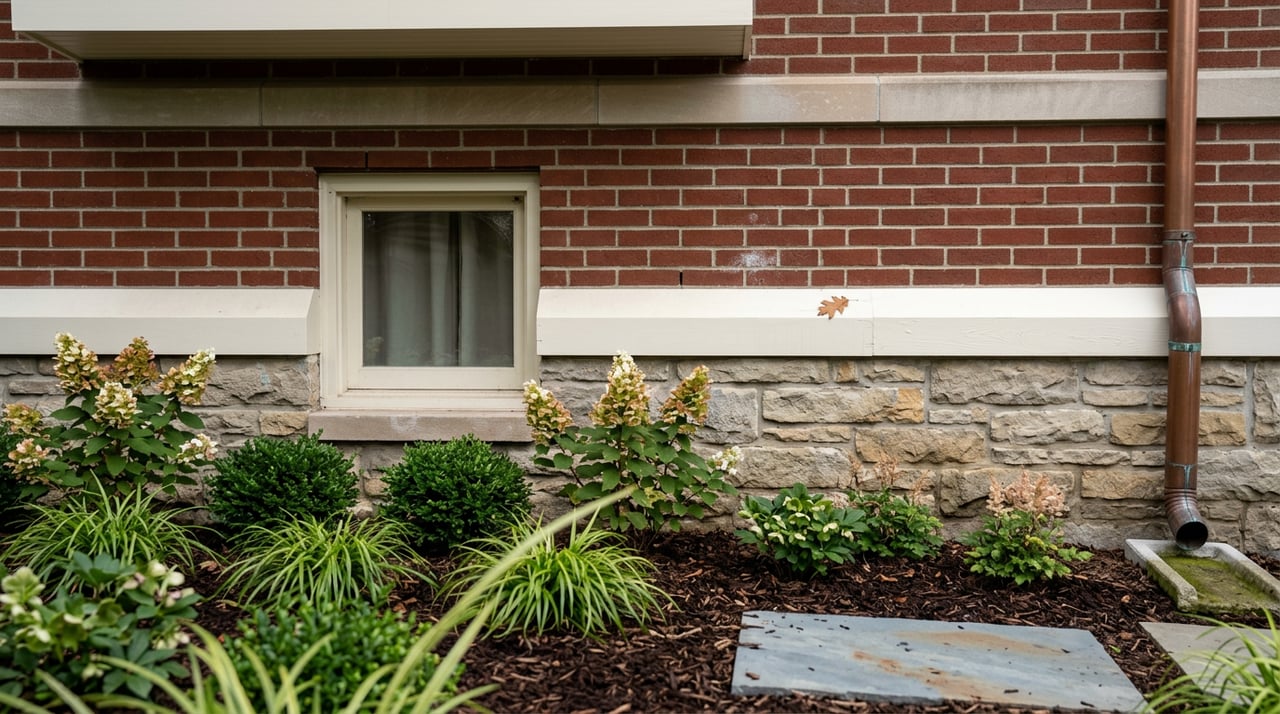
- Water and basement checks: For older homes, ask about moisture history and whether the property is in any flood-prone area.
Tour smarter with block-by-block tips
A single block can feel very different from the next. Plan to walk a 3 to 5 block radius around any listing you like. Note the grade of the street, the presence of sidewalks, and how easy it would be to push a stroller or carry groceries from the station.
If mobility is a concern, check station access, including stairs and elevators. For drivers, observe curbside rules on both weekdays and weekends. If you travel frequently, time your drive to I-280 and to Newark Liberty at different times of day to understand real-world variability.
Ready to see how these areas feel in person and align your commute with your lifestyle? Reach out to Rebecca Brooksher for tailored guidance and on-the-ground touring strategy. From Manhattan apartments to North Jersey homes, you will get bi-state perspective, curated options, and a calm, step-by-step process that fits your goals. Start your visit plan with Rebecca Brooksher.
FAQs
How long is the train ride from South Orange to Manhattan?
- Midtown Direct trains from South Orange generally take roughly 25 to 35 minutes to New York Penn Station, depending on express or local service.
Is South Orange walkable for daily errands and dining?
- The downtown corridor near South Orange Avenue and the station is notably walkable for dining, cafes, and events, while most residential areas are more suburban in walkability and vary by block.
What should I know about commuter parking near the station?
- South Orange offers a mix of permit and pay lots near the station, and some residential streets have restrictions, so confirm current rules and fees before you commit to a location.
How does Seton Hall University affect nearby neighborhoods?
- Areas near campus and the village center can have more daytime and evening activity during the academic year, plus access to cultural and athletic events.
Where can I find the most green space near South Orange?
- The southern and hillside pockets near South Mountain Reservation offer quick access to trails and larger green areas, with municipal parks scattered throughout the village.
What maintenance should I expect with pre-war homes in South Orange?
- Many older homes feature period details but may need updates to HVAC, electrical, plumbing, windows, and insulation, so budget for near-term capital items and get a comprehensive inspection.